之
marks preceding phrase as modifier of following phrase
At a glance · 之
Evolution of the glyph
Five stages, from a sketch of the real object to regular script — tap a stage, drag the timeline, or play the animation.
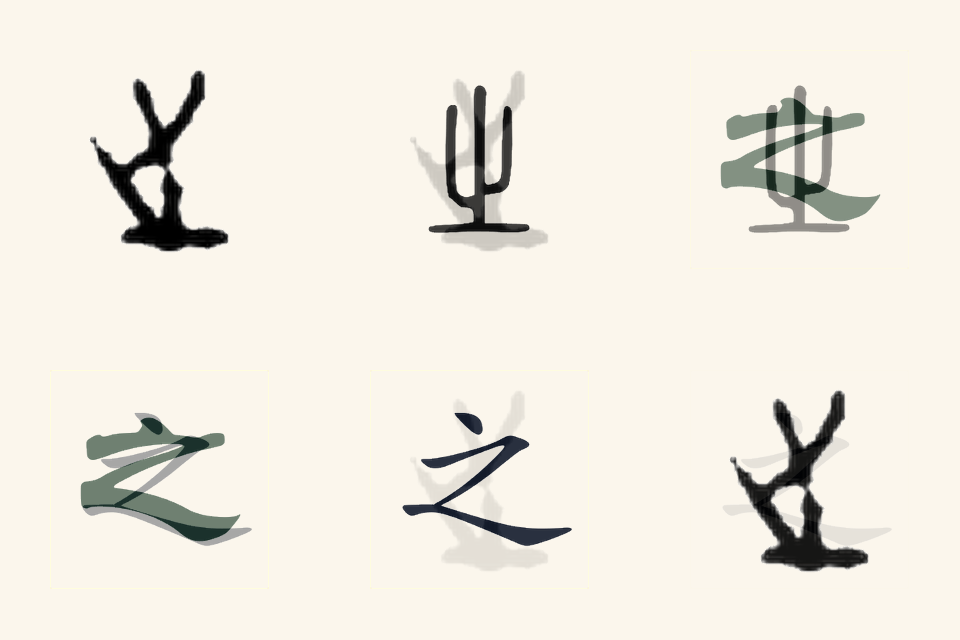
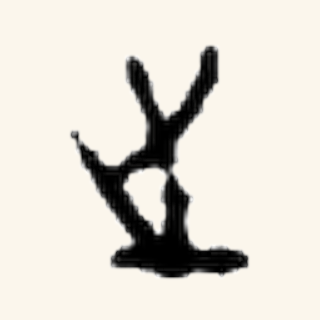
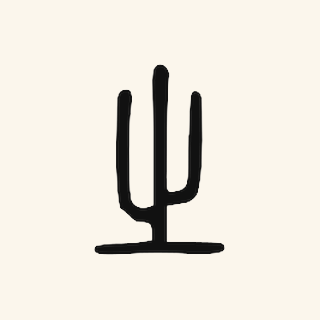

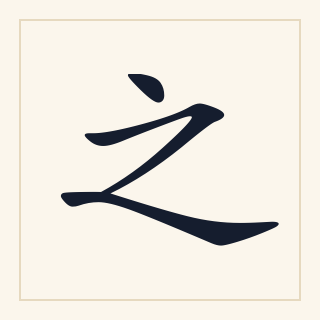
Object sketchBefore writing · drawing what was seenOracle boneShang dynasty · c. 1300–1046 BCESeal scriptQin dynasty · 221–206 BCEClerical scriptHan dynasty · 206 BCE–220 CERegular scriptWei–Jin to Tang · c. 3rd–9th century CE
「之」甲骨文从止从一,象足趾离地有所往,金文小篆相承。
What the sketch shows

Origins & notes
「之」本义为往、到,后虚化为结构助词「的」。
Structure
从止、从一,会意字,象足行有所至,后作虚词。
At a glance
Pinyinzhī
Radical丶
Strokes4
UnicodeU+4E4B
Character type会意
Theme虚词
Six languages, one character
Each page offers hreflang versions; switching language keeps the glyphs and meanings aligned.
English
marks preceding phrase as modifier of following phrase
marks preceding phrase as modifier of following phrase; it, him her, them; go to
Français
de / le
Particule «de» ; le, la. «如松之盛» : la prospérité du pin.
Español
de / el
Partícula 'de'; el, la. «如松之盛»: la prosperidad del pino.
العربية
الـ / من
أداة «الـ»؛ هو/هي. «如松之盛»: ازدهار الصنوبر.
Русский
де / он
Частица «де»; он/она. «如松之盛»: процветание сосны.
Common words
- 之前zhī qiánbefore
- 总之zǒng zhīin short