入
enter
At a glance · 入
Evolution of the glyph
Five stages, from a sketch of the real object to regular script — tap a stage, drag the timeline, or play the animation.
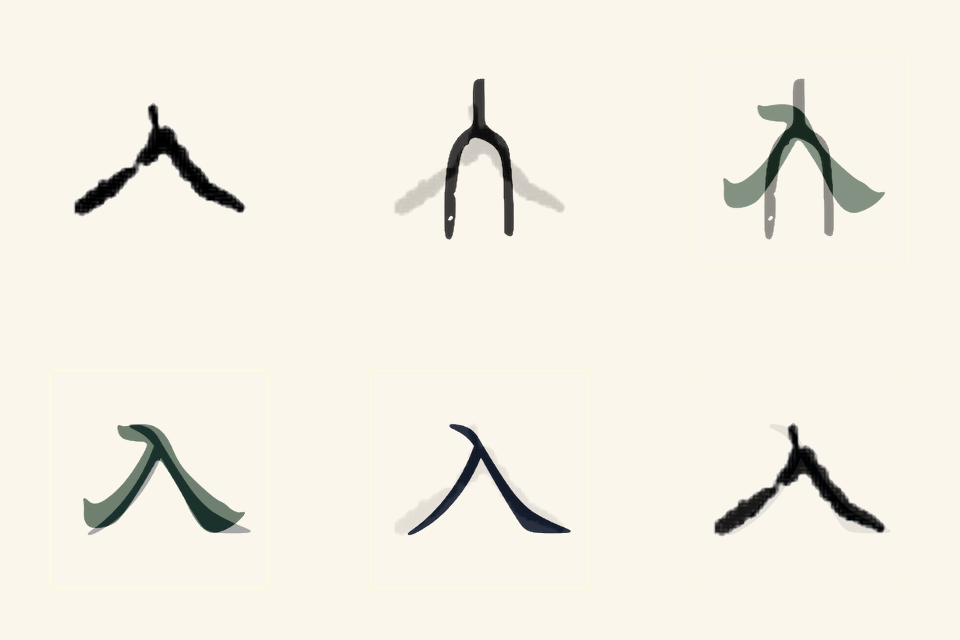
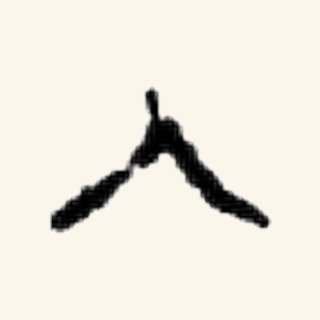
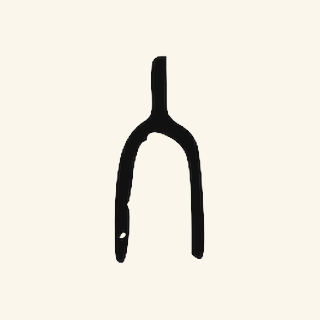
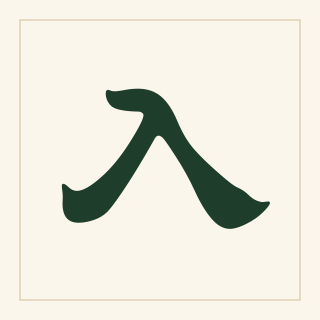
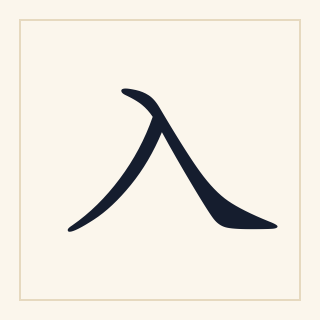
Object sketchBefore writing · drawing what was seenOracle boneShang dynasty · c. 1300–1046 BCESeal scriptQin dynasty · 221–206 BCEClerical scriptHan dynasty · 206 BCE–220 CERegular scriptWei–Jin to Tang · c. 3rd–9th century CE
「入」甲骨文象由外而入之形,与「出」相对,金文小篆承之。
What the sketch shows
Origins & notes
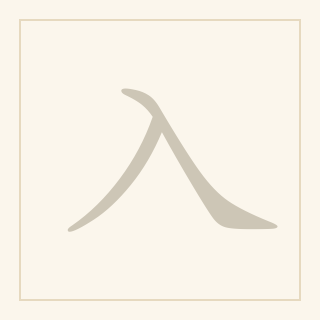
「入」本义为进入、进来,引申收入、加入。
Structure
象形字,象尖锐物自上而入,本为进入。
At a glance
Pinyinrù
Radical入
Strokes2
UnicodeU+5165
Character type象形
Theme动作
Six languages, one character
Each page offers hreflang versions; switching language keeps the glyphs and meanings aligned.
English
enter
enter, come in(to), join
Français
entrer
Entrer, pénétrer. «入奉母仪» : au foyer, servir la mère.
Español
entrar
Entrar, penetrar. «入奉母仪»: en el hogar, servir a la madre.
العربية
يدخل
يدخل، يتعمّق. «入奉母仪»: في البيت يخدم الأم.
Русский
входить
Входить, проникать. «入奉母仪»: дома служить матери.
Common words
- 进入jìn rùenter
- 入口rù kǒuentrance