冬
winter
At a glance · 冬
Evolution of the glyph
Five stages, from a sketch of the real object to regular script — tap a stage, drag the timeline, or play the animation.
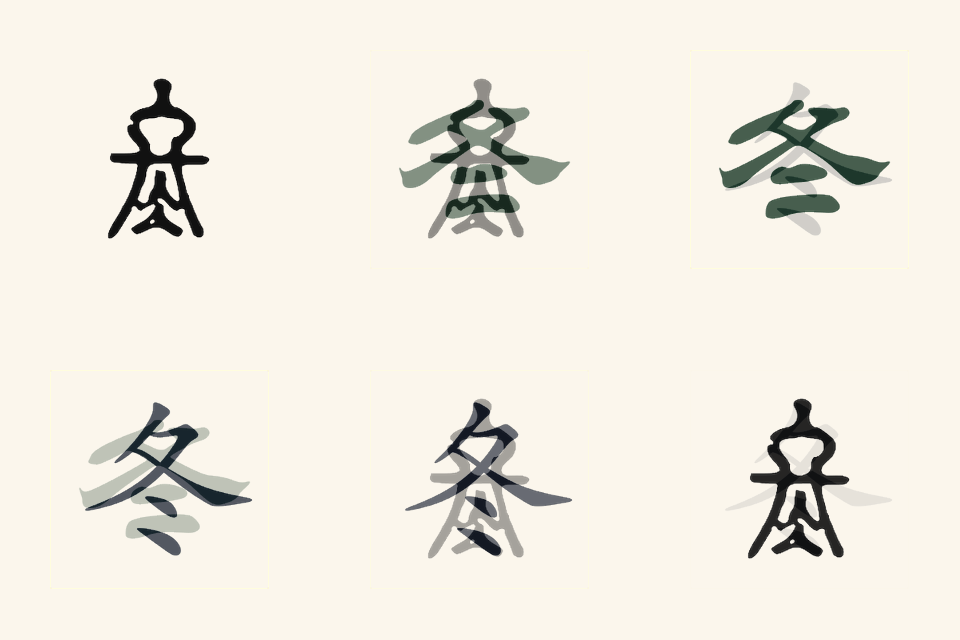
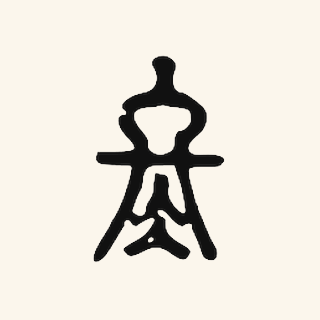
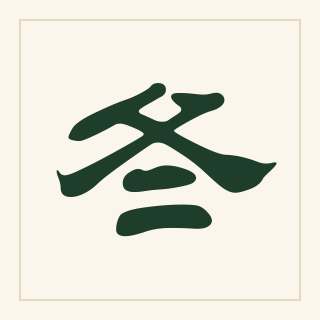
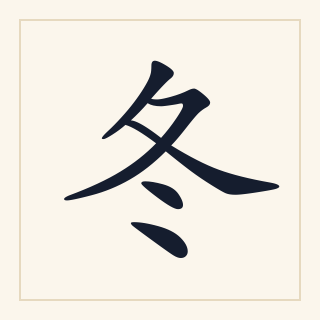
Object sketchBefore writing · drawing what was seenOracle boneShang dynasty · c. 1300–1046 BCESeal scriptQin dynasty · 221–206 BCEClerical scriptHan dynasty · 206 BCE–220 CERegular scriptWei–Jin to Tang · c. 3rd–9th century CE
⚠ Some ancient forms are not attested:oracle bone form。No excavated oracle bone / seal artifact is attested for this character yet; we leave it blank rather than fabricate.
冬字甲骨文象绳线两端打结之形,本义为终了;后借以表冬季。金文加仌,小篆从仌,隶作『冬』。
What the sketch shows
Origins & notes
冬本义为终尽,后专指冬季。
Structure
冬早期为象形,象绳端结饰以示终结,后加冰形表寒冬。
At a glance
Pinyindōng
Radical夂
Strokes5
UnicodeU+51AC
Character type象形
Theme自然
Six languages, one character
Each page offers hreflang versions; switching language keeps the glyphs and meanings aligned.
English
winter
Dong originally pictured tied rope ends meaning an end, and was later used for winter.
Français
hiver
Dong représentait à l'origine des extrémités de corde nouées signifiant la fin, puis a désigné l'hiver.
Español
invierno
Dong originalmente representaba extremos de cuerda anudados que significaban el fin, y luego pasó a designar el invierno.
العربية
شتاء
دونغ كان في الأصل يصور أطراف حبل معقودة تعني النهاية، ثم استُخدم للشتاء.
Русский
зима
Дун изначально изображал завязанные концы верёвки — конец, позже стал означать зиму.
Common words
- 冬天dōng tiānwinter
- 冬季dōng jìwinter