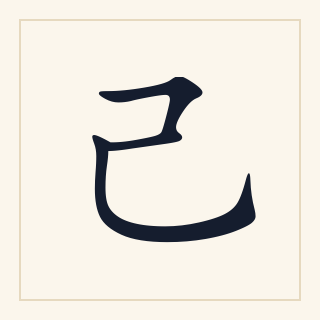
己
self, sixth stem
At a glance · 己
Evolution of the glyph
Five stages, from a sketch of the real object to regular script — tap a stage, drag the timeline, or play the animation.
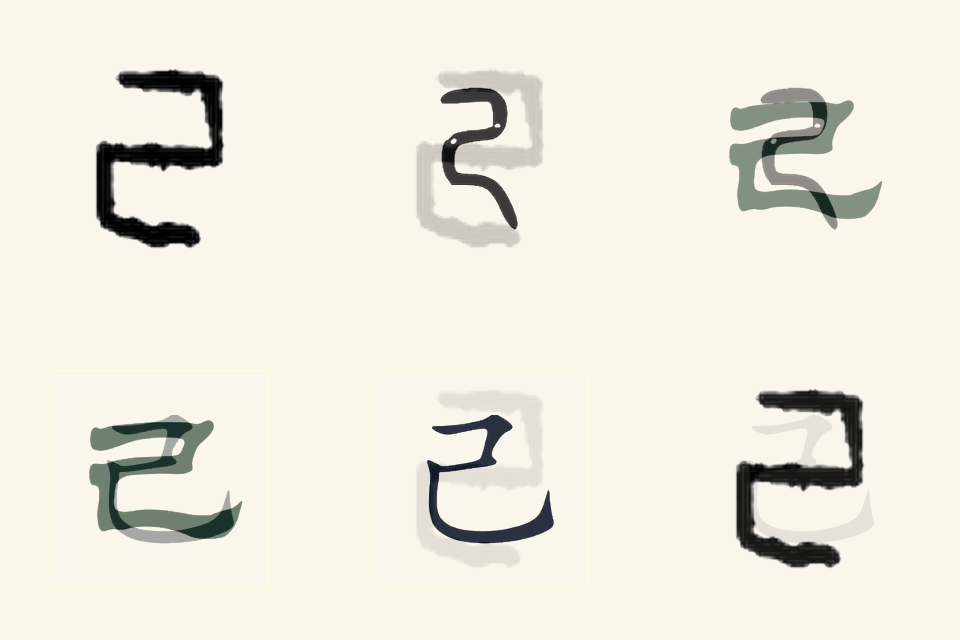
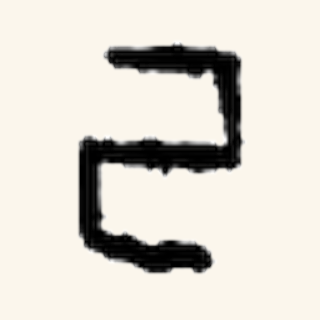
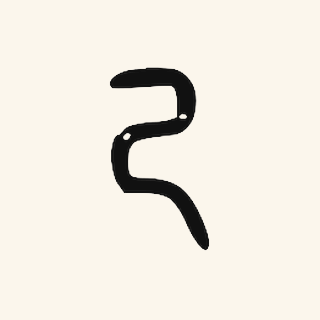
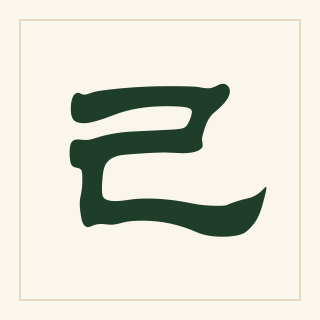
Object sketchBefore writing · drawing what was seenOracle boneShang dynasty · c. 1300–1046 BCESeal scriptQin dynasty · 221–206 BCEClerical scriptHan dynasty · 206 BCE–220 CERegular scriptWei–Jin to Tang · c. 3rd–9th century CE
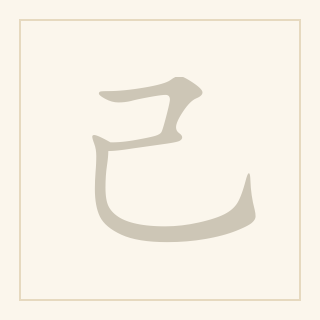
己字甲骨文象绳结或人形,本义为自身、自己,亦为天干第六。金文、小篆承之。
What the sketch shows
Origins & notes
己本义为自己、自身,亦为天干名。
Structure
己为象形字,描摹绳结或躬身之形,借以表自我。
At a glance
Pinyinjǐ
Radical己
Strokes3
UnicodeU+5DF1
Character type象形
Theme人伦
Six languages, one character
Each page offers hreflang versions; switching language keeps the glyphs and meanings aligned.
English
self, sixth stem
Ji is a pictograph meaning self and is the sixth heavenly stem.
Français
soi, sixième tige
Ji est un pictogramme signifiant soi et est la sixième tige céleste.
Español
uno mismo, sexto tronco
Ji es un pictograma que significa uno mismo y es el sexto tallo celeste.
العربية
نفس، الساقة السادسة
جي رسم تخطيطي يعني النفس وهو الساقة السماوية السادسة.
Русский
себя, шестой ствол
Цзи — пиктограмма, означающая себя, и шестой небесный ствол.
Common words
- 自己zì jǐself
- 知己zhī jǐconfidant