成
complete, become
At a glance · 成
Evolution of the glyph
Five stages, from a sketch of the real object to regular script — tap a stage, drag the timeline, or play the animation.
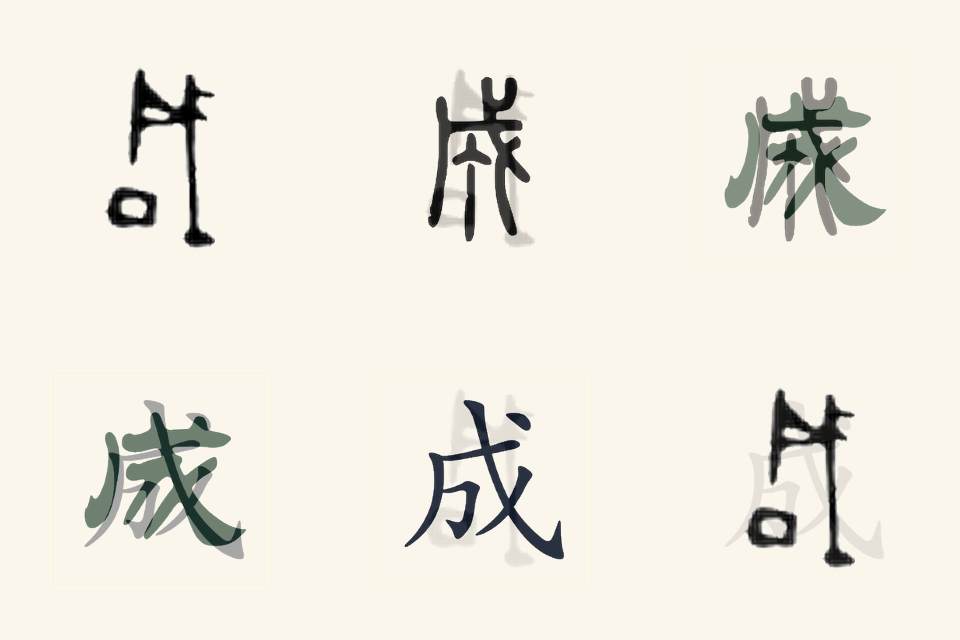
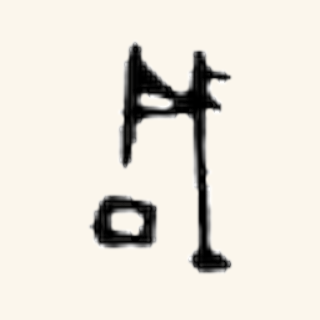
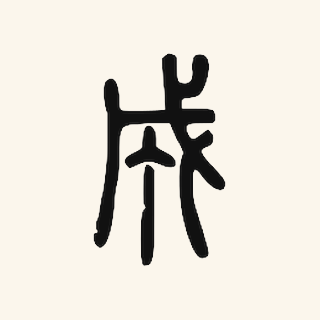
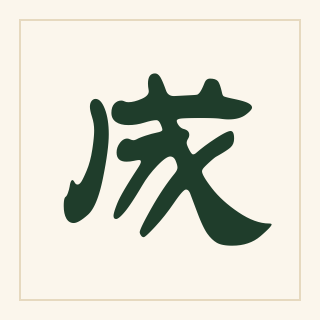
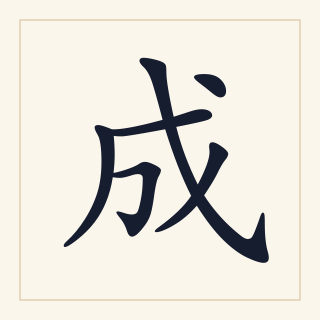
Object sketchBefore writing · drawing what was seenOracle boneShang dynasty · c. 1300–1046 BCESeal scriptQin dynasty · 221–206 BCEClerical scriptHan dynasty · 206 BCE–220 CERegular scriptWei–Jin to Tang · c. 3rd–9th century CE
成字甲骨文从戌从丁(或斧钺之形),会意为以武力成就;本义为完成、成就。金文、小篆承之。
What the sketch shows
Origins & notes
成本义为完成、成就,引申为成为。
Structure
会意字,从戌(兵器)从某,表示以武力达成。
At a glance
Pinyinchéng
Radical戈
Strokes7
UnicodeU+6210
Character type会意
Theme动作
Six languages, one character
Each page offers hreflang versions; switching language keeps the glyphs and meanings aligned.
English
complete, become
Cheng is an associative character meaning to complete and accomplish.
Français
achever, devenir
Cheng est un caractère associatif signifiant achever et accomplir.
Español
completar, llegar a ser
Cheng es un carácter asociativo que significa completar y lograr.
العربية
يتم، يصبح
تشنغ حرف تركيبي يعني إتمام وتحقيق.
Русский
завершать, становиться
Чэн — ассоциативный знак, означающий завершать и достигать.
Common words
- 成功chéng gōngsuccess
- 完成wán chéngfinish