才
talent, just
At a glance · 才
Evolution of the glyph
Five stages, from a sketch of the real object to regular script — tap a stage, drag the timeline, or play the animation.
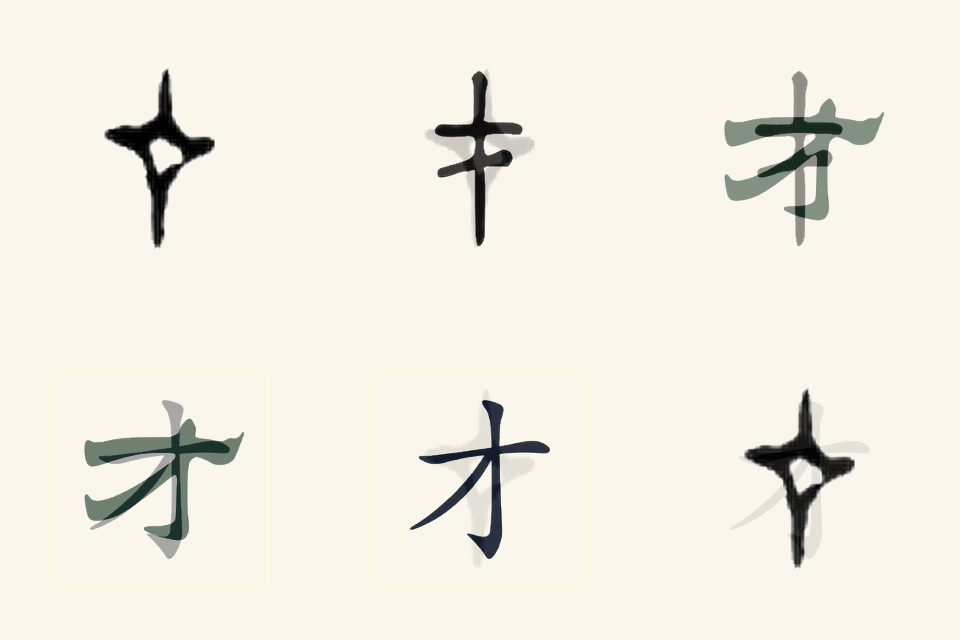
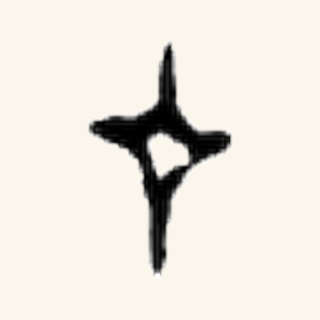
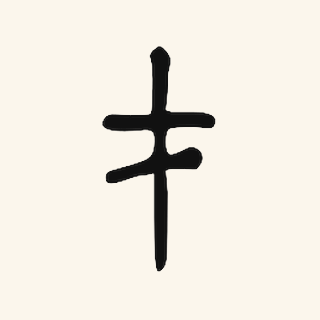
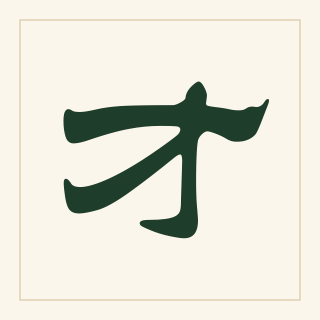
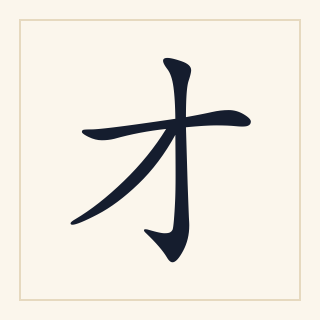
Object sketchBefore writing · drawing what was seenOracle boneShang dynasty · c. 1300–1046 BCESeal scriptQin dynasty · 221–206 BCEClerical scriptHan dynasty · 206 BCE–220 CERegular scriptWei–Jin to Tang · c. 3rd–9th century CE
才字甲骨文象草木初生穿土之形,本义为草木初生,引申为才能、方才。金文、小篆承之。
What the sketch shows
Origins & notes
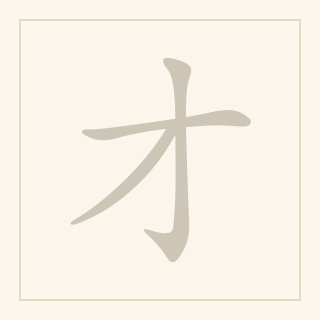
才本义为草木初生,引申为才能、刚刚。
Structure
才为象形字,描摹草木破土而出。
At a glance
Pinyincái
Radical扌
Strokes3
UnicodeU+624D
Character type象形
Theme其他
Six languages, one character
Each page offers hreflang versions; switching language keeps the glyphs and meanings aligned.
English
talent, just
Cai was originally a pictograph of sprouting plants and extended to talent and just.
Français
talent, juste
Cai était à l'origine un pictogramme de plantes naissantes et a signifié talent et juste.
Español
talento, apenas
Cai era originalmente un pictograma de plantas brotando y pasó a talento y apenas.
العربية
موهبة، للتو
تساي كان في الأصل رسماً لنباتات نابتة ثم عنى الموهبة والتو.
Русский
талант, только что
Цай изначально было пиктограммой прорастающих растений и расширилось до таланта и «только что».
Common words
- 才能cái néngability
- 人才rén cáitalent