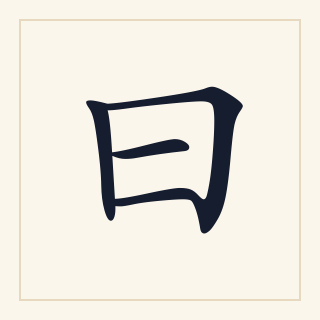
曰
say, call
At a glance · 曰
Evolution of the glyph
Five stages, from a sketch of the real object to regular script — tap a stage, drag the timeline, or play the animation.
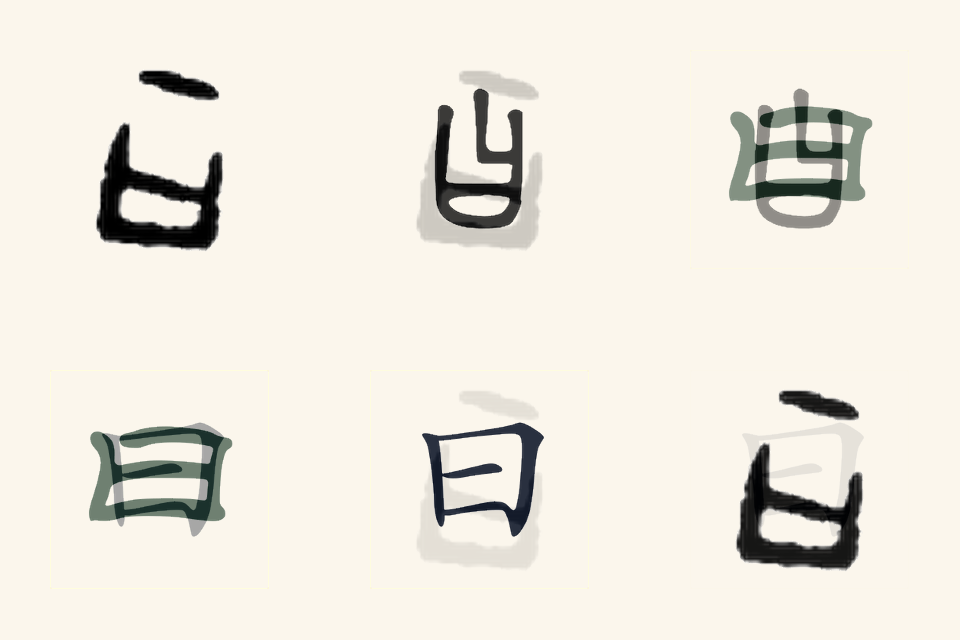
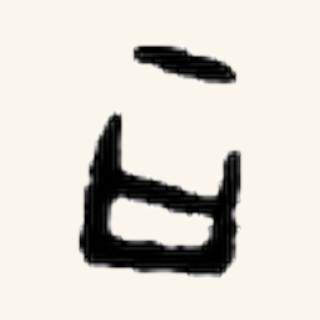
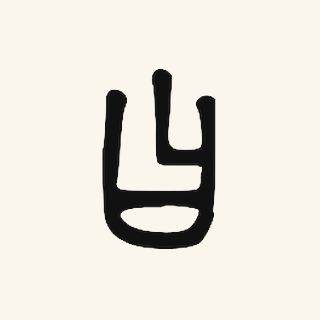
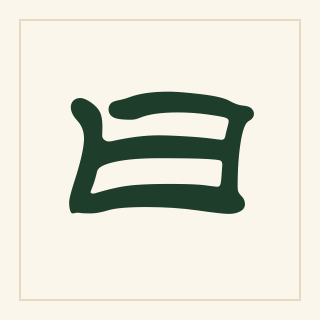
Object sketchBefore writing · drawing what was seenOracle boneShang dynasty · c. 1300–1046 BCESeal scriptQin dynasty · 221–206 BCEClerical scriptHan dynasty · 206 BCE–220 CERegular scriptWei–Jin to Tang · c. 3rd–9th century CE
曰字甲骨文象口出气之形(与『田/白』有别),本义为说、叫做。金文、小篆承之。
What the sketch shows
Origins & notes
曰本义为说、叫做,为动词。
Structure
曰为象形字,描摹口张言出之形。
At a glance
Pinyinyuē
Radical曰
Strokes4
UnicodeU+66F0
Character type象形
Theme虚词
Six languages, one character
Each page offers hreflang versions; switching language keeps the glyphs and meanings aligned.
English
say, call
Yue is a pictograph of an open mouth speaking, meaning to say and call.
Français
dire, appeler
Yue est un pictogramme d'une bouche ouverte parlant, signifiant dire et appeler.
Español
decir, llamar
Yue es un pictograma de una boca abierta hablando, significa decir y llamar.
العربية
يقول، يسمى
يويه رسم تخطيطي لفم مفتوح يتكلم، ويعني يقول ويسمى.
Русский
говорить, называть
Юэ — пиктограмма открытого говорящего рта, означает говорить и называть.
Common words
- 子曰zi yuēthe Master said
- 曰yuēsay/call