率
lead, rate
At a glance · 率
Evolution of the glyph
Five stages, from a sketch of the real object to regular script — tap a stage, drag the timeline, or play the animation.
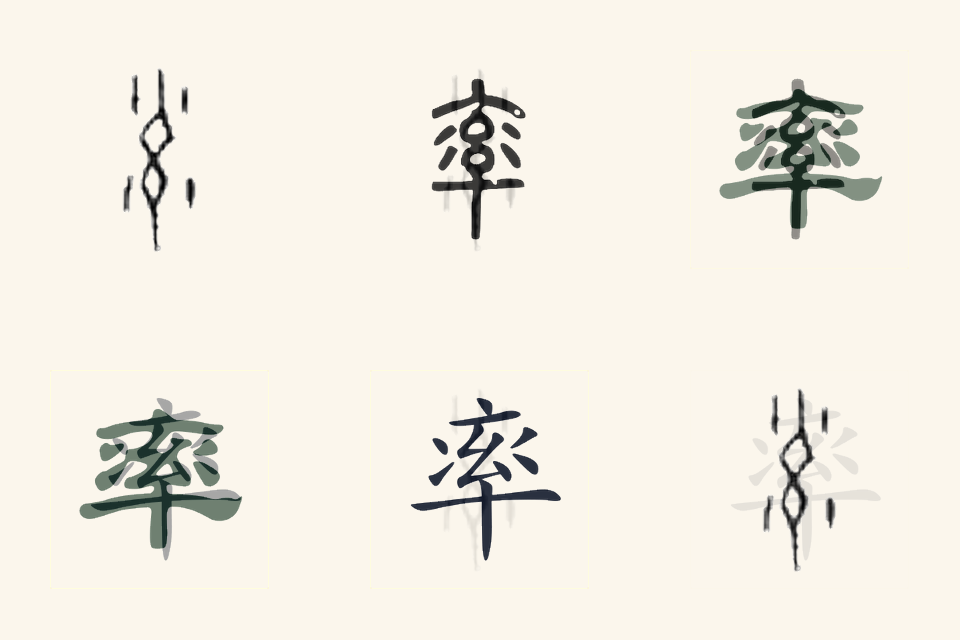
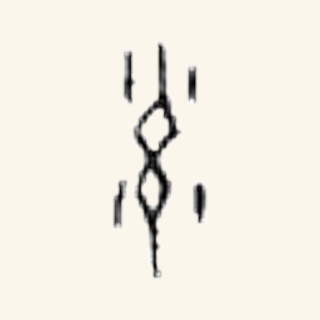
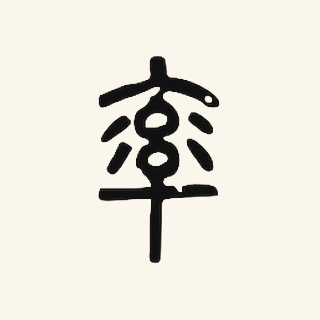


Object sketchBefore writing · drawing what was seenOracle boneShang dynasty · c. 1300–1046 BCESeal scriptQin dynasty · 221–206 BCEClerical scriptHan dynasty · 206 BCE–220 CERegular scriptWei–Jin to Tang · c. 3rd–9th century CE
率字甲骨文象绞绳之器或捕鸟之网形,本义为捕鸟之网,引申为带领、标准。金文、小篆承之。
What the sketch shows

Origins & notes
率本义为网、捕鸟,引申为率领、比率。
Structure
率为象形字,描摹绞丝或网形,后引申为统率。
At a glance
Pinyinlǜ
Radical玄
Strokes11
UnicodeU+7387
Character type象形
Theme其他
Six languages, one character
Each page offers hreflang versions; switching language keeps the glyphs and meanings aligned.
English
lead, rate
Shuai was originally a pictograph of a net or rope-twisting tool and extended to lead and rate.
Français
mener, taux
Shuai était à l'origine un pictogramme de filet ou d'outil à torsader, et a été étendu à mener et taux.
Español
liderar, tasa
Shuai era originalmente un pictograma de red o herramienta de torcer, y se extendió a liderar y tasa.
العربية
يقود، معدل
شواي كان في الأصل رسماً لشبكة أو أداة فتل، ثم اتسع ليعني القيادة والمعدل.
Русский
вести, норма
Шуай изначально было пиктограммой сети или приспособления для скручивания и расширилось до вести и норма.
Common words
- 率领shuài lǐnglead
- 率真shuài zhēncandid