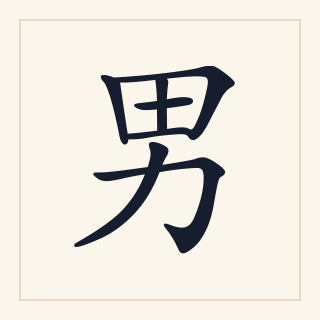
男
male, man
At a glance · 男
Evolution of the glyph
Five stages, from a sketch of the real object to regular script — tap a stage, drag the timeline, or play the animation.
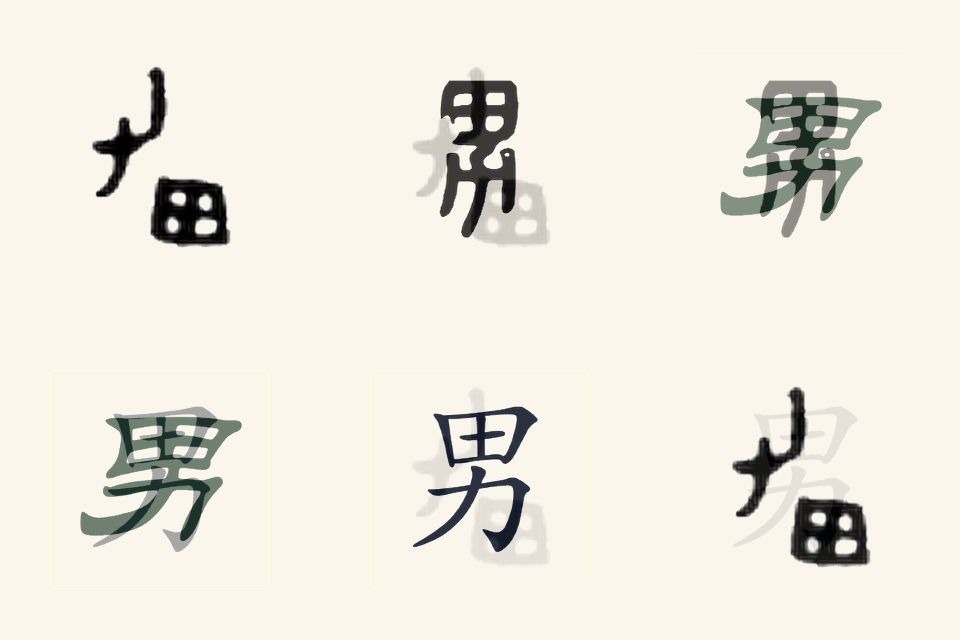
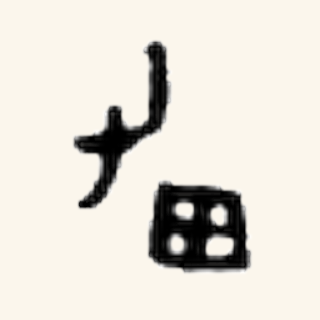
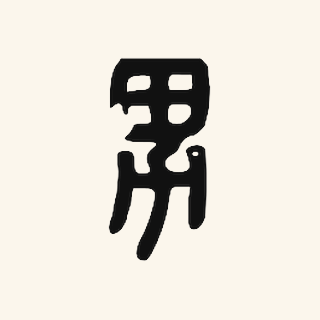
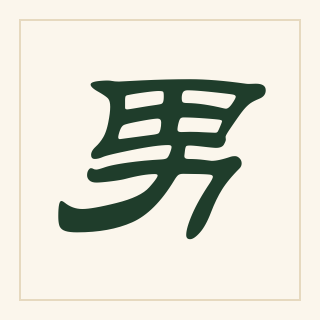
Object sketchBefore writing · drawing what was seenOracle boneShang dynasty · c. 1300–1046 BCESeal scriptQin dynasty · 221–206 BCEClerical scriptHan dynasty · 206 BCE–220 CERegular scriptWei–Jin to Tang · c. 3rd–9th century CE
男字小篆从田从力,会意为在田间出力者,本义为男子、男人。甲骨文象田中有耒。
What the sketch shows
Origins & notes
男本义为男子,亦指爵位(男爵)。
Structure
会意字,从田从力,表示男子在田劳作有力。
At a glance
Pinyinnán
Radical田
Strokes7
UnicodeU+7537
Character type会意
Theme人伦
Six languages, one character
Each page offers hreflang versions; switching language keeps the glyphs and meanings aligned.
English
male, man
Nan is an associative character of field and strength, meaning a man.
Français
mâle, homme
Nan est un caractère associatif de champ et force, signifiant un homme.
Español
masculino, hombre
Nan es un carácter asociativo de campo y fuerza, significa hombre.
العربية
ذكر، رجل
نان حرف تركيبي لحقل وقوة، يعني الرجل.
Русский
мужчина, мужской
Нань — ассоциативный знак поля и силы, означает мужчину.
Common words
- 男人nán rénman
- 男孩nán háiboy