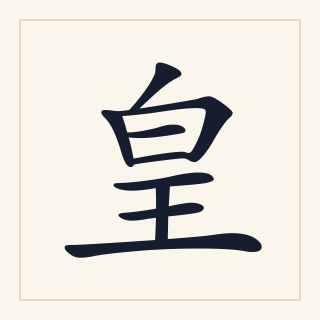
皇
emperor, royal
At a glance · 皇
Evolution of the glyph
Five stages, from a sketch of the real object to regular script — tap a stage, drag the timeline, or play the animation.
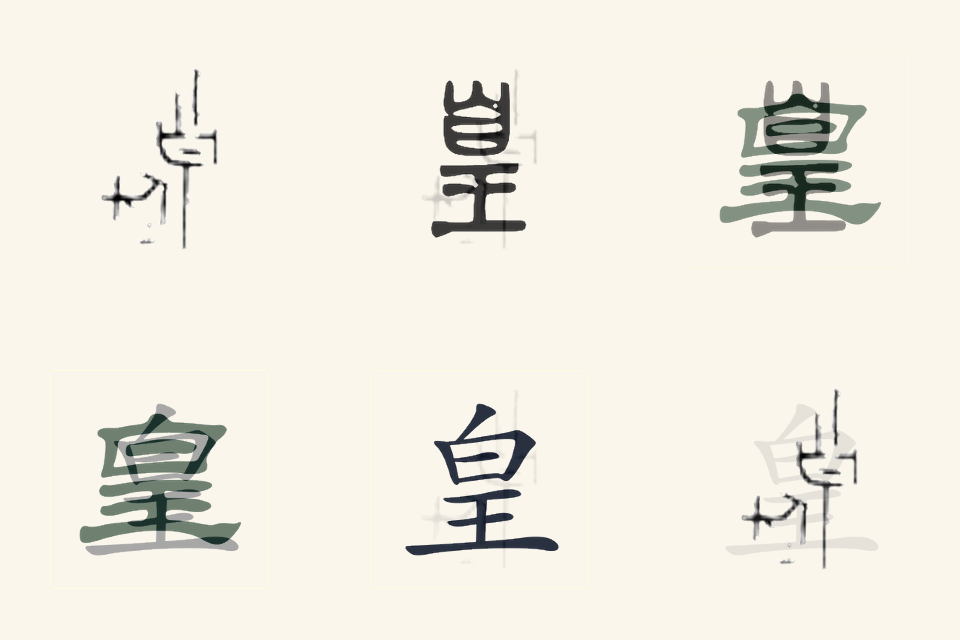
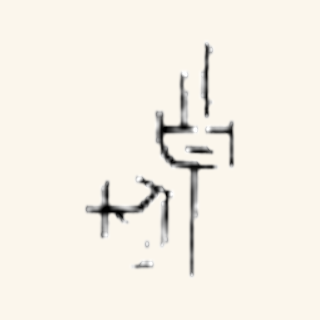
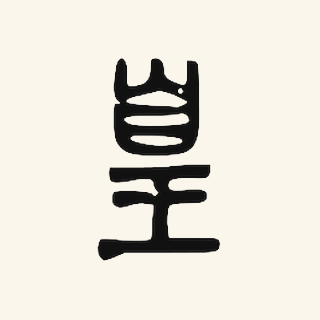
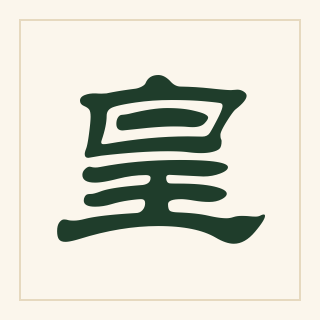
Object sketchBefore writing · drawing what was seenOracle boneShang dynasty · c. 1300–1046 BCESeal scriptQin dynasty · 221–206 BCEClerical scriptHan dynasty · 206 BCE–220 CERegular scriptWei–Jin to Tang · c. 3rd–9th century CE
皇字甲骨文、金文象灯火辉煌或冠冕之形,本义为伟大、君主;后专称帝王。
What the sketch shows
Origins & notes
皇本义为盛大、美,后指君主、皇帝。
Structure
皇为象形字,描摹冠饰或光辉之形,引申为帝王。
At a glance
Pinyinhuáng
Radical白
Strokes9
UnicodeU+7687
Character type象形
Theme政事
Six languages, one character
Each page offers hreflang versions; switching language keeps the glyphs and meanings aligned.
English
emperor, royal
Huang was originally a pictograph of radiant ornament and came to mean a great ruler and emperor.
Français
empereur, royal
Huang était à l'origine un pictogramme d'ornement rayonnant et a signifié un grand souverain et empereur.
Español
emperador, real
Huang era originalmente un pictograma de ornamento radiante y pasó a significar gran soberano y emperador.
العربية
إمبراطور، ملكي
هوانغ كان في الأصل رسماً لزينة متوهجة ثم عنى الحاكم العظيم والإمبراطور.
Русский
император, царский
Хуан изначально было пиктограммой сияющего убора и стало означать великого правителя и императора.
Common words
- 皇帝huáng dìemperor
- 皇宫huáng gōngpalace