知
saber, percibir
De un vistazo · 知
Evolución del glifo
Cinco etapas, desde el dibujo del objeto hasta el kaishu: toque una etapa, arrastre la línea de tiempo o reproduzca la animación.
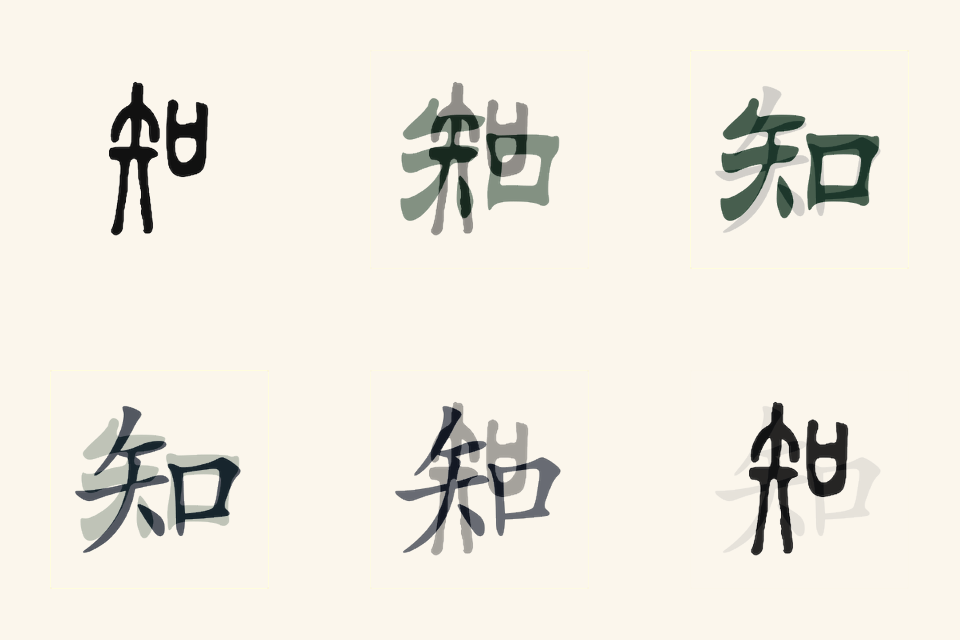
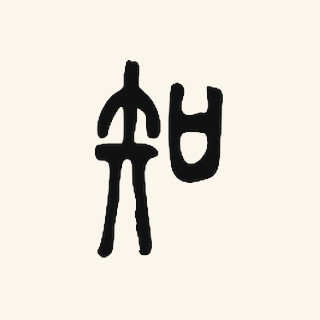
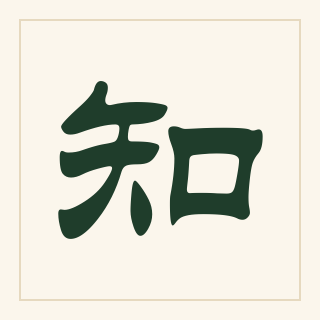
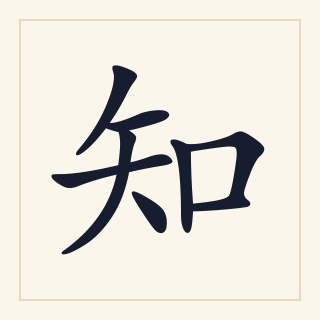
Dibujo del objetoAntes de escribir · dibujar lo que se veíaHueso oracularDinastía Shang · h. 1300–1046 a. C.Sello pequeñoDinastía Qin · 221–206 a. C.Escritura clericalDinastía Han · 206 a. C.–220 d. C.Estilo regularDe Wei-Jin a Tang · h. siglos III–IX d. C.
⚠ Algunas formas antiguas no están attestiguadas:forma en hueso oracular。No hay artefacto en hueso oracular / sello para este carácter; lo dejamos en blanco en vez de inventar.
知字小篆从矢从口,会意为言辞敏捷如矢,本义为知道、知晓。甲骨文未见。
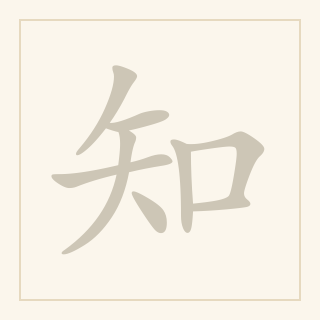
Qué muestra el dibujo
Origen y notas
知本义为知道、了解。
Estructura
会意字,从矢(疾速)从口(言),表示言速而明理。
De un vistazo
Pinyinzhī
Radical矢
Trazos8
UnicodeU+77E5
Tipo de carácter会意
Tema动作
Seis idiomas, un solo carácter
Cada página ofrece versiones hreflang; al cambiar de idioma, los glifos y los significados siguen alineados.
English
know, perceive
Zhi is an associative character of arrow and mouth, meaning to know and perceive.
Français
savoir, percevoir
Zhi est un caractère associatif de flèche et bouche, signifiant savoir et percevoir.
Español
saber, percibir
Zhi es un carácter asociativo de flecha y boca, significa saber y percibir.
العربية
يعرف، يدرك
تشي حرف تركيبي لسهم وفم، يعني المعرفة والإدراك.
Русский
знать, понимать
Чжи — ассоциативный знак стрелы и рта, означает знать и постигать.
Palabras comunes
- 知道zhī dàoknow
- 知识zhī shíknowledge