字
character, word
At a glance · 字
Evolution of the glyph
Five stages, from a sketch of the real object to regular script — tap a stage, drag the timeline, or play the animation.
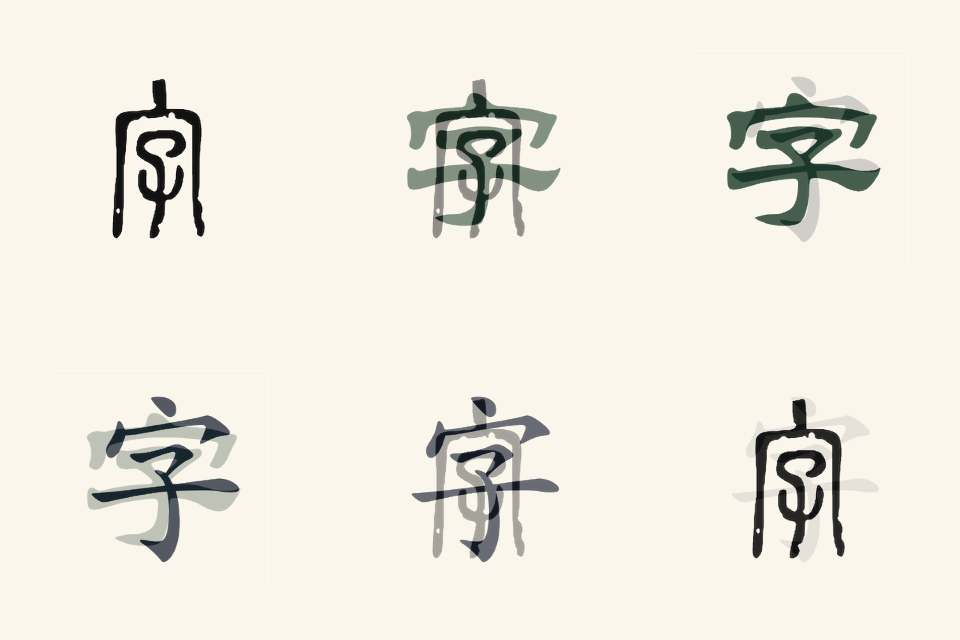
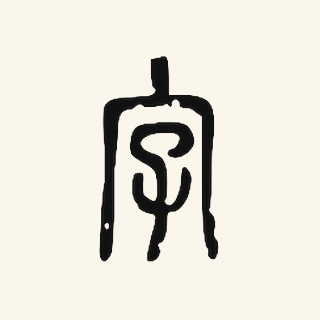
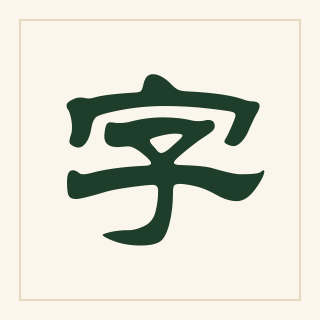
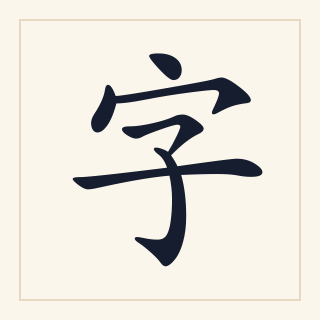
Object sketchBefore writing · drawing what was seenOracle boneShang dynasty · c. 1300–1046 BCESeal scriptQin dynasty · 221–206 BCEClerical scriptHan dynasty · 206 BCE–220 CERegular scriptWei–Jin to Tang · c. 3rd–9th century CE
⚠ Some ancient forms are not attested:oracle bone form。No excavated oracle bone / seal artifact is attested for this character yet; we leave it blank rather than fabricate.
字字小篆从宀从子,会意为在屋中养育孩子,引申为孳乳、文字。甲骨文未见。
What the sketch shows
Origins & notes
字本义为养育、孳生,后指文字(文为独体,字为合体)。
Structure
会意字,从宀(屋)从子,表示抚育;文字之学因孳生而名『字』。
At a glance
Pinyinzì
Radical子
Strokes6
UnicodeU+5B57
Character type会意
Theme其他
Six languages, one character
Each page offers hreflang versions; switching language keeps the glyphs and meanings aligned.
English
character, word
Zi is an associative character of a child under a roof, meaning to nurture and, by extension, a written character.
Français
caractère, mot
Zi est un caractère associatif d'un enfant sous un toit, signifiant nourrir et, par extension, un caractère écrit.
Español
carácter, palabra
Zi es un carácter asociativo de un niño bajo un techo, significa criar y, por extensión, un carácter escrito.
العربية
حرف، كلمة
تسو حرف تركيبي لطفل تحت سقف، يعني الرعاية ومنه الحرف المكتوب.
Русский
иероглиф, слово
Цзы — ассоциативный знак ребёнка под крышей, означает растить и, далее, письменный знак.
Common words
- 字母zì mǔletter
- 汉字hàn zìChinese character