王
king, ruler
At a glance · 王
Evolution of the glyph
Five stages, from a sketch of the real object to regular script — tap a stage, drag the timeline, or play the animation.
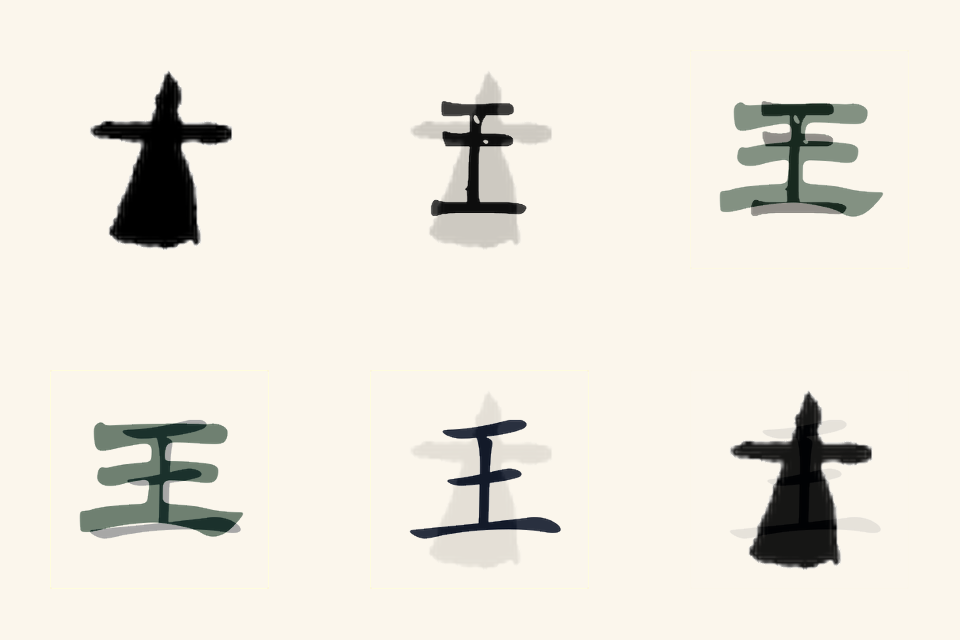
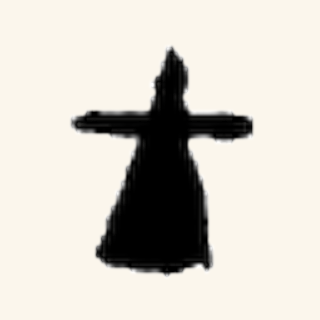
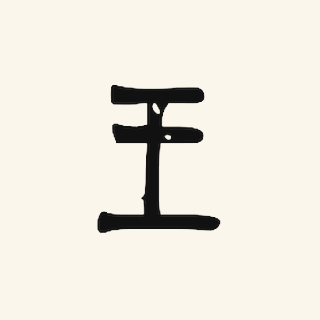
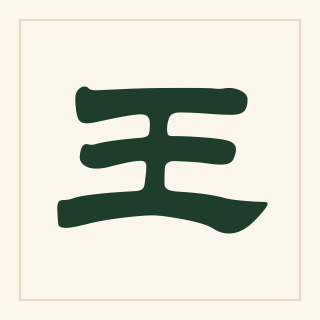
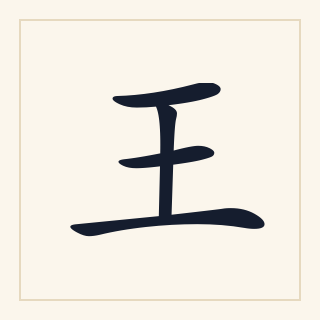
Object sketchBefore writing · drawing what was seenOracle boneShang dynasty · c. 1300–1046 BCESeal scriptQin dynasty · 221–206 BCEClerical scriptHan dynasty · 206 BCE–220 CERegular scriptWei–Jin to Tang · c. 3rd–9th century CE
王字甲骨文、金文作三横一竖,上天下地中人,象贯通天地人之君;一说象斧钺。本义为君主。
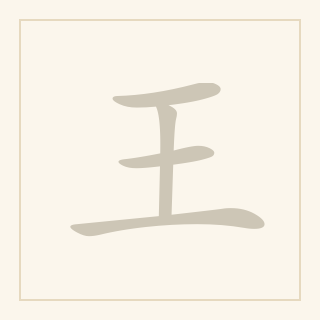
What the sketch shows
Origins & notes
王本义为君主、天子。
Structure
王为指事字(或象形),三横象天、地、人,中竖贯通,表示天下所归往之君。
At a glance
Pinyinwáng
Radical王
Strokes4
UnicodeU+738B
Character type指事
Theme政事
Six languages, one character
Each page offers hreflang versions; switching language keeps the glyphs and meanings aligned.
English
king, ruler
Wang is an ideograph of three lines linked by a vertical, meaning the king who connects heaven, earth and man.
Français
roi, souverain
Wang est un caractère indicatif de trois traits liés par une verticale, signifiant le roi qui relie ciel, terre et hommes.
Español
rey, gobernante
Wang es un carácter indicativo de tres trazos unidos por una vertical, significa el rey que une cielo, tierra y hombres.
العربية
ملك، حاكم
وانغ حرف دال بثلاثة خطوط تربطها عمودية، يعني الملك الذي يربط السماء والأرض والإنسان.
Русский
король, правитель
Ван — указательный знак трёх черт, связанных вертикалью, означает царя, соединяющего небо, землю и человека.
Common words
- 国王guó wángking
- 王子wáng zǐprince