遣
dispatch, send
At a glance · 遣
Evolution of the glyph
Five stages, from a sketch of the real object to regular script — tap a stage, drag the timeline, or play the animation.
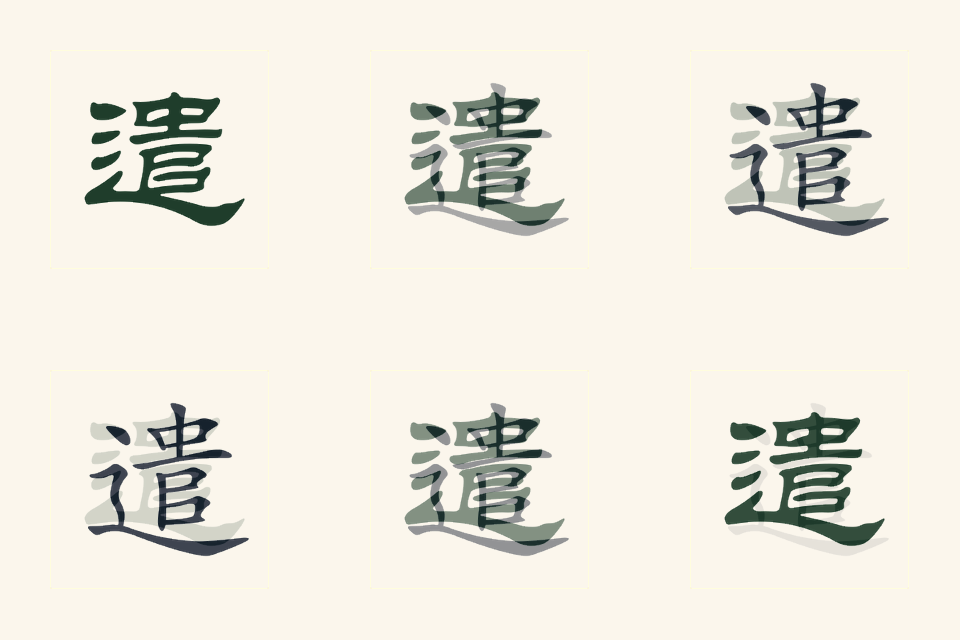
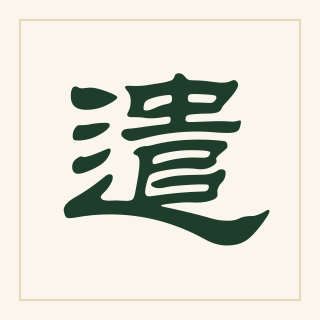
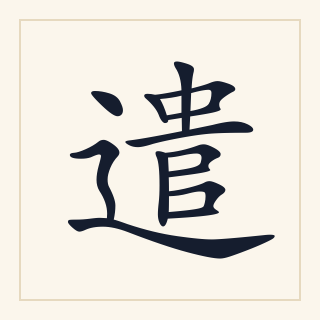
Object sketchBefore writing · drawing what was seenOracle boneShang dynasty · c. 1300–1046 BCESeal scriptQin dynasty · 221–206 BCEClerical scriptHan dynasty · 206 BCE–220 CERegular scriptWei–Jin to Tang · c. 3rd–9th century CE
⚠ Some ancient forms are not attested:oracle bone form、seal script form。No excavated oracle bone / seal artifact is attested for this character yet; we leave it blank rather than fabricate.
小篆从辵(辶)𠳋声,形声字,本指释放、派遣。隶楷作「遣」。
What the sketch shows
Origins & notes
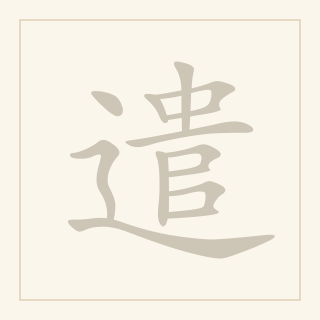
「遣」本指放逐、差遣,引申为派遣、排遣。
Structure
形声字,辵(辶)为意符,𠳋为声符。
At a glance
Pinyinqiǎn
Radical辶
Strokes14
UnicodeU+9063
Character type形声
Theme动作
Six languages, one character
Each page offers hreflang versions; switching language keeps the glyphs and meanings aligned.
English
dispatch, send
To dispatch, send; to divert (boredom).
Français
envoyer, congédier
Envoyer, dépêcher; divertir (ennui).
Español
enviar, despachar
Enviar, despachar; distraer (el aburrimiento).
العربية
يرسل، يصرف
يرسل أو يصرف أو يبدّد الملل.
Русский
посылать, отправлять
Отправлять, посылать; рассеивать (скуку).
Common words
- 遣qiǎndispatch
- 派遣pài qiǎnsend