在
estar en, existir
De un vistazo · 在
Evolución del glifo
Cinco etapas, desde el dibujo del objeto hasta el kaishu: toque una etapa, arrastre la línea de tiempo o reproduzca la animación.
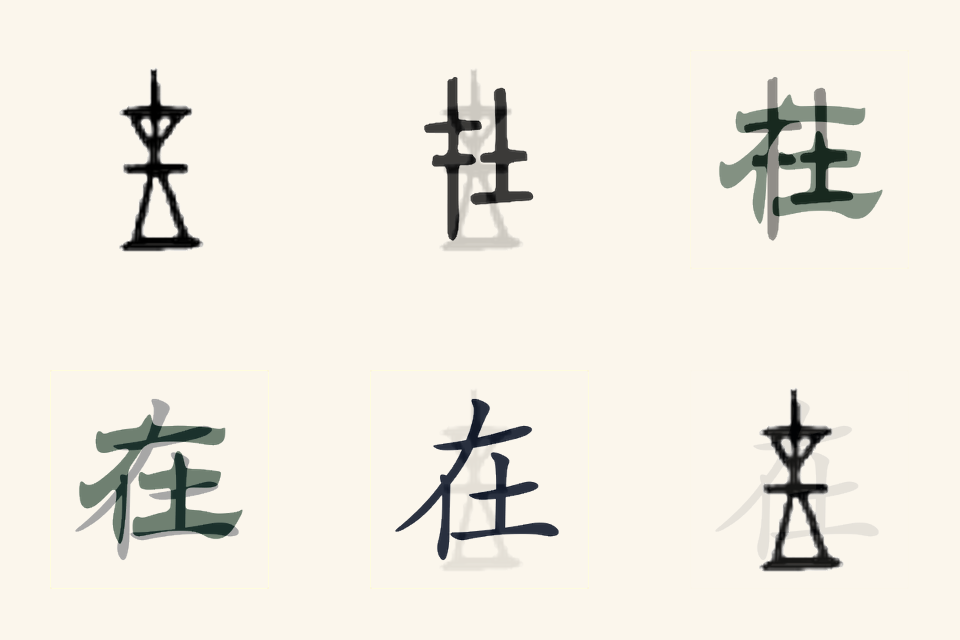
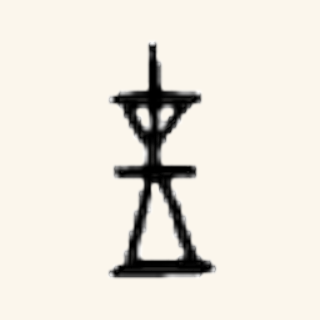
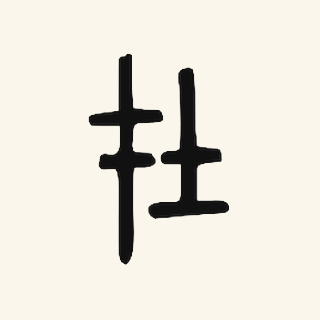
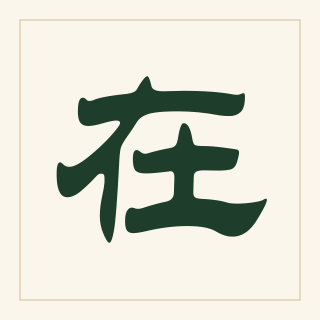
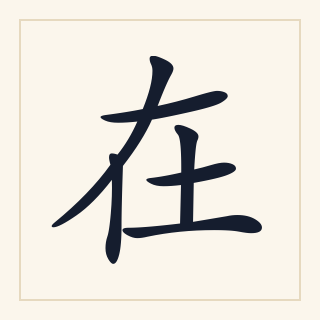
Dibujo del objetoAntes de escribir · dibujar lo que se veíaHueso oracularDinastía Shang · h. 1300–1046 a. C.Sello pequeñoDinastía Qin · 221–206 a. C.Escritura clericalDinastía Han · 206 a. C.–220 d. C.Estilo regularDe Wei-Jin a Tang · h. siglos III–IX d. C.
在字小篆从土才声,为形声字;本义为存在、处于。甲骨文未见。
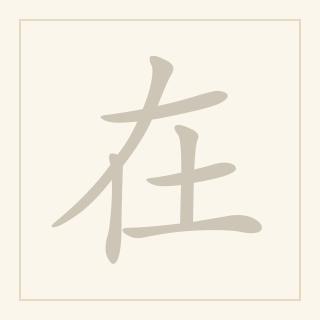
Qué muestra el dibujo
Origen y notas
在字本义为存在、居于某处。
Estructura
形声字,下部『土』为意符,上部『才』为声符。
De un vistazo
Pinyinzài
Radical土
Trazos6
UnicodeU+5728
Tipo de carácter形声
Tema状态
Seis idiomas, un solo carácter
Cada página ofrece versiones hreflang; al cambiar de idioma, los glifos y los significados siguen alineados.
English
be at, exist
Zai is a phonetic-semantic character meaning to be at and to exist.
Français
être à, exister
Zai est un caractère phonético-sémantique signifiant être à et exister.
Español
estar en, existir
Zai es un carácter fonosemántico que significa estar en y existir.
العربية
يوجد، يكون في
تساي حرف صوتي دلالي يعني الوجود والتواجد في مكان.
Русский
быть, находиться
Цзай — фоносемантический знак, означающий быть и находиться.
Palabras comunes
- 存在cún zàiexist
- 现在xiàn zàinow