以
by means of
At a glance · 以
Evolution of the glyph
Five stages, from a sketch of the real object to regular script — tap a stage, drag the timeline, or play the animation.
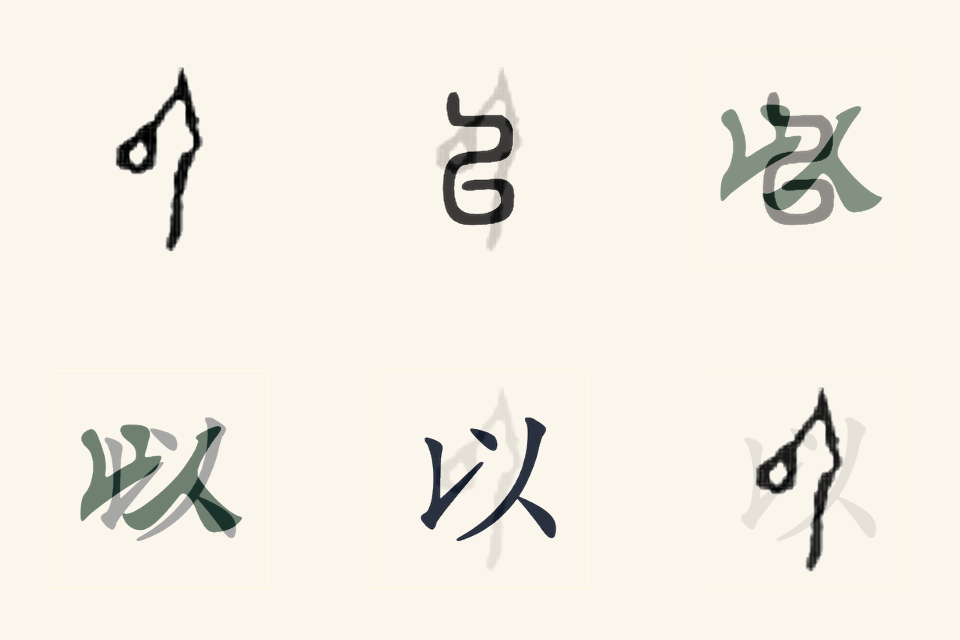
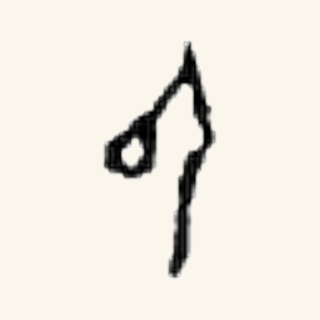
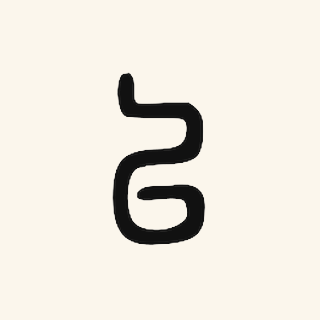
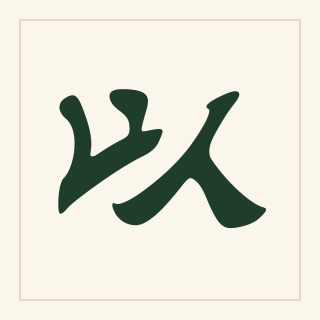
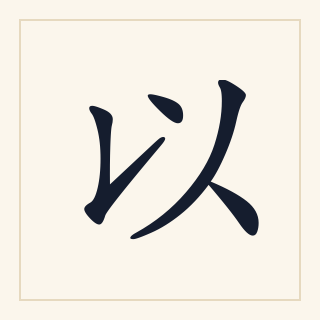
Object sketchBefore writing · drawing what was seenOracle boneShang dynasty · c. 1300–1046 BCESeal scriptQin dynasty · 221–206 BCEClerical scriptHan dynasty · 206 BCE–220 CERegular scriptWei–Jin to Tang · c. 3rd–9th century CE
「以」甲骨文象人提物之形(以=𠂇+厶),后借为介词。
What the sketch shows
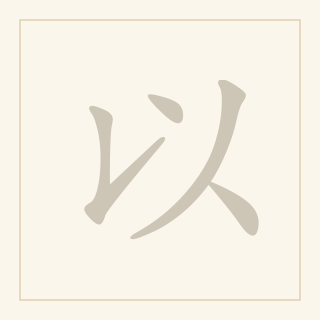
Origins & notes
「以」本为提携象形,假借为用、以、因,文言常用虚词。
Structure
象形字,本象提物之形,假借为介词、连词,久借不还。
At a glance
Pinyinyǐ
Radical人
Strokes5
UnicodeU+4EE5
Character type象形
Theme虚词
Six languages, one character
Each page offers hreflang versions; switching language keeps the glyphs and meanings aligned.
English
by means of
by means of; thereby, therefore; consider as; in order to
Français
par / avec
Par, avec, préposition. «存以甘棠» : par le gân-tang on commémore.
Español
por / con
Por, con, preposición. «存以甘棠»: por el gan-tang se conmemora.
العربية
بـ / مع
بـ، مع، حرف جر. «存以甘棠»: بالغان-تانغ يُذكر.
Русский
с помощью / посредством
С помощью, посредством, предлог. «存以甘棠»: через гань-тан поминают.
Common words
- 所以suǒ yǐtherefore
- 以及yǐ jías well as