地
earth, ground
At a glance · 地
Evolution of the glyph
Five stages, from a sketch of the real object to regular script — tap a stage, drag the timeline, or play the animation.
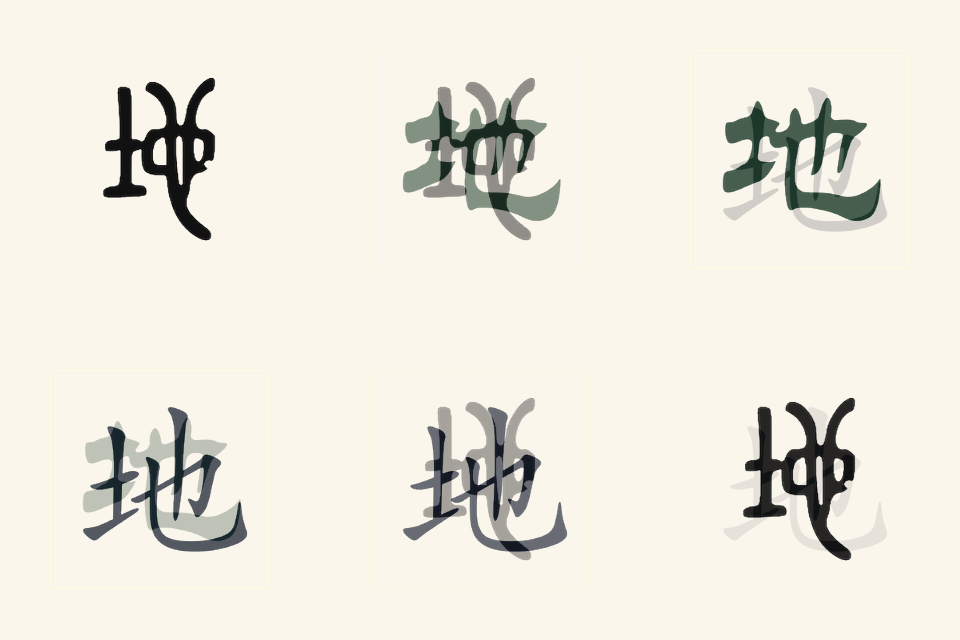
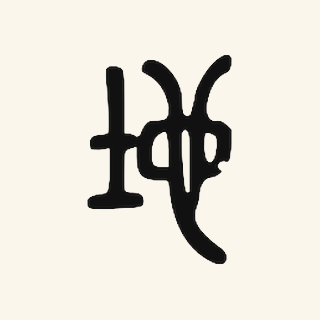
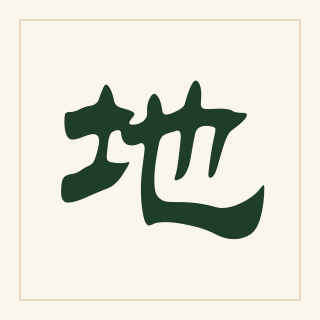
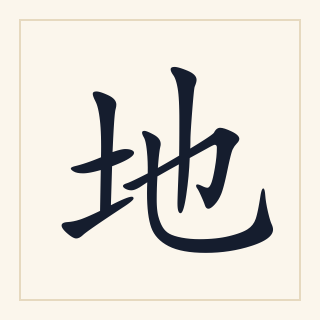
Object sketchBefore writing · drawing what was seenOracle boneShang dynasty · c. 1300–1046 BCESeal scriptQin dynasty · 221–206 BCEClerical scriptHan dynasty · 206 BCE–220 CERegular scriptWei–Jin to Tang · c. 3rd–9th century CE
⚠ Some ancient forms are not attested:oracle bone form。No excavated oracle bone / seal artifact is attested for this character yet; we leave it blank rather than fabricate.
地字小篆从土从也,也兼表声,为形声字;甲骨文未见独立地字,多以『土』表土地。隶变后左土右也,楷作『地』。
What the sketch shows
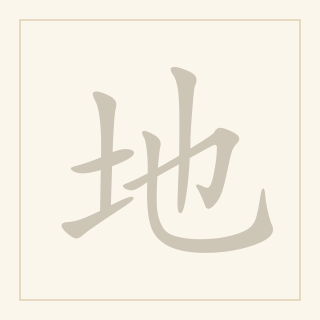
Shuowen Jiezi
徒四切。元气初分,輕清陽爲天,重濁陰爲地。萬物所陳𠛱也。从土也聲。。籒文地从䧘。。— 《说文解字》
Origins & notes
地本义为大地、土地,与天相对,泛指人类所居的地面。
Structure
形声字,左部『土』为意符表土地,右部『也』为声符。
At a glance
Pinyindì
Radical土
Strokes6
UnicodeU+5730
Character type形声
Theme地理
Six languages, one character
Each page offers hreflang versions; switching language keeps the glyphs and meanings aligned.
English
earth, ground
Di is a phonetic-semantic character; the left radical tu (earth) gives the meaning and ye gives the sound. It means earth and ground.
Français
terre, sol
Di est un caractère phonético-sémantique; le radical gauche tu (terre) donne le sens et ye la phonétique. Il signifie la terre et le sol.
Español
tierra, suelo
Di es un carácter fonosemántico; el radical izquierdo tu (tierra) da el sentido y ye el sonido. Significa tierra y suelo.
العربية
الأرض، التربة
دي حرف صوتي دلالي؛ الركن الأيسر تُو (أرض) يدل على المعنى و يي يدل على النطق. ويعني الأرض والتربة.
Русский
земля, почва
Ди — фоносемантический знак; левый ключ ту (земля) даёт значение, а е — звук. Означает землю и почву.
Common words
- 大地dà dìearth
- 土地tǔ dìland
- 地方dì fāngplace