寒
cold
At a glance · 寒
Evolution of the glyph
Five stages, from a sketch of the real object to regular script — tap a stage, drag the timeline, or play the animation.
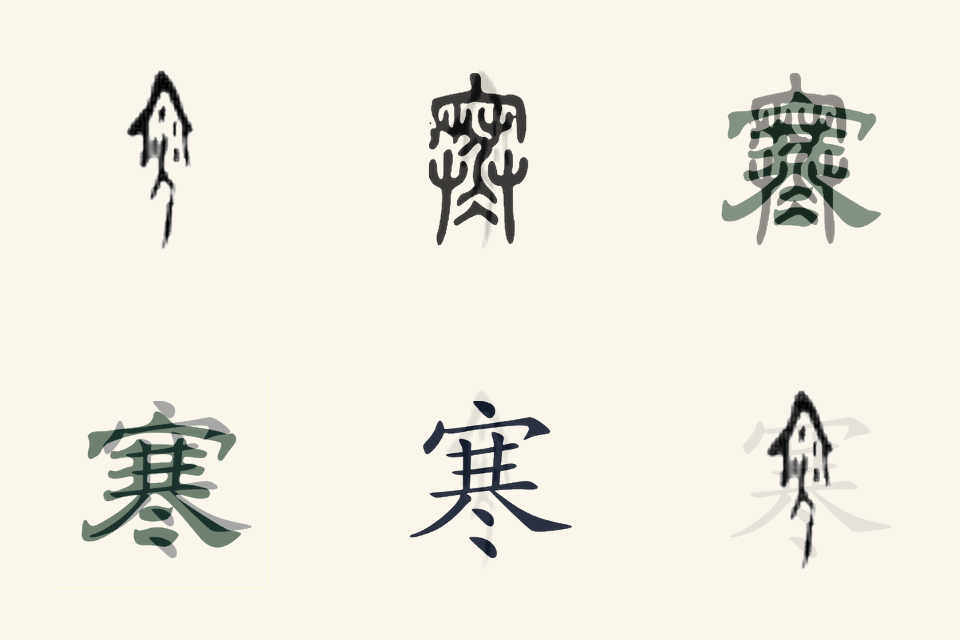

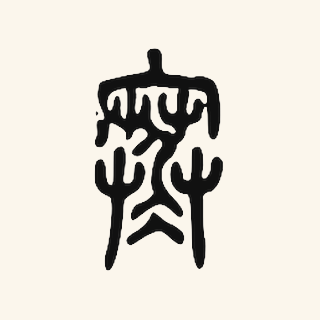

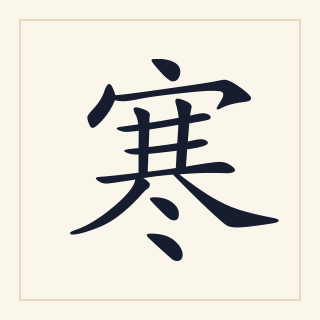
Object sketchBefore writing · drawing what was seenOracle boneShang dynasty · c. 1300–1046 BCESeal scriptQin dynasty · 221–206 BCEClerical scriptHan dynasty · 206 BCE–220 CERegular scriptWei–Jin to Tang · c. 3rd–9th century CE
寒字小篆从宀从人从茻从仌,会意为人在屋中以草御冷;本义为寒冷。甲骨文未见。
What the sketch shows
Origins & notes
寒本义为冷,指天寒地冻。
Structure
会意字,屋下有人,四周草与冰,表示寒冷难御。
At a glance
Pinyinhán
Radical宀
Strokes12
UnicodeU+5BD2
Character type会意
Theme状态
Six languages, one character
Each page offers hreflang versions; switching language keeps the glyphs and meanings aligned.
English
cold
Han is an associative character depicting a person sheltering under grass from ice, meaning cold.
Français
froid
Han est un caractère associatif montrant une personne se protégeant sous l'herbe de la glace, signifiant froid.
Español
frío
Han es un carácter asociativo que muestra a una persona protegiéndose bajo hierba del hielo, significa frío.
العربية
بارد
هان حرف تركيبي يصور شخصاً يحتمي بالعشب من الجليد، ويعني البرد.
Русский
холод
Хань — ассоциативный знак, изображающий человека, укрывающегося травой ото льда; означает холод.
Common words
- 寒冷hán lěngcold
- 寒冬hán dōngwinter