息
rest
At a glance · 息
Evolution of the glyph
Five stages, from a sketch of the real object to regular script — tap a stage, drag the timeline, or play the animation.
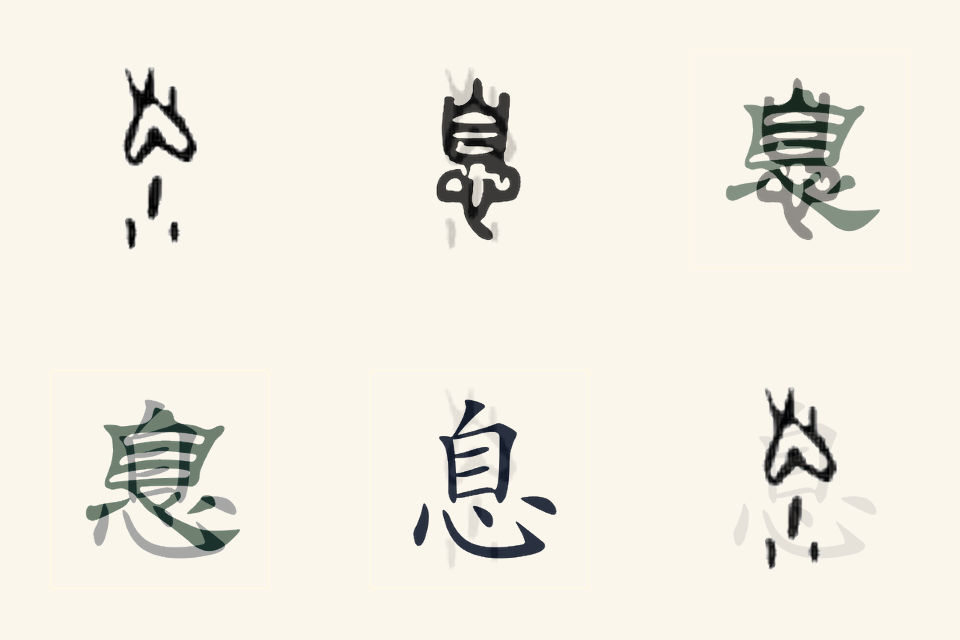
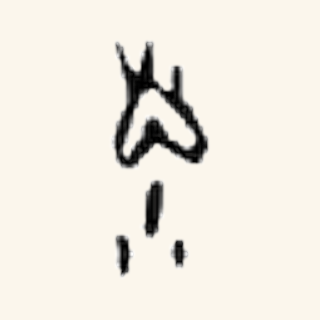
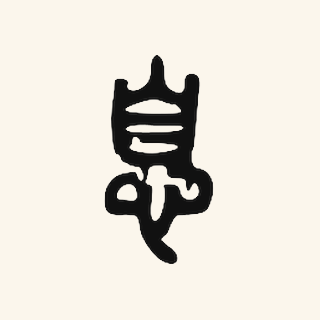
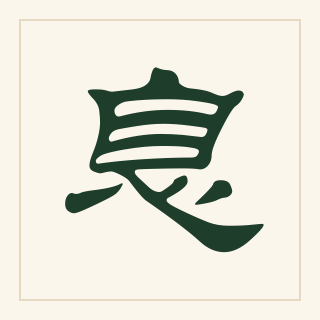
Object sketchBefore writing · drawing what was seenOracle boneShang dynasty · c. 1300–1046 BCESeal scriptQin dynasty · 221–206 BCEClerical scriptHan dynasty · 206 BCE–220 CERegular scriptWei–Jin to Tang · c. 3rd–9th century CE
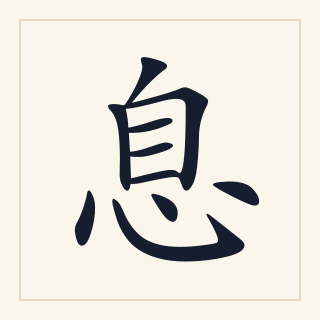
「息」从自从心,金文象鼻息与心,会呼吸之意。
What the sketch shows
Origins & notes
「息」本义为呼吸,引申气息、停止、生长。
Structure
从自(鼻)、从心,会意字,呼吸由鼻由心,故从自心。
At a glance
Pinyinxī
Radical心
Strokes10
UnicodeU+606F
Character type会意
Theme动作
Six languages, one character
Each page offers hreflang versions; switching language keeps the glyphs and meanings aligned.
English
rest
rest, put stop to, end, cease
Français
cesser / souffle
Cesser, souffle. «川流不息» : ne s'arrête pas (le repos).
Español
cesar / aliento
Cesar, aliento. «川流不息»: no descansa (el flujo).
العربية
يتوقف / نَفَس
يتوقف، نَفَس. «川流不息»: لا يسكن.
Русский
останавливаться / дыхание
Останавливаться, дыхание. «川流不息»: не прекращается.
Common words
- 休息xiū xīrest
- 消息xiāo xīnews