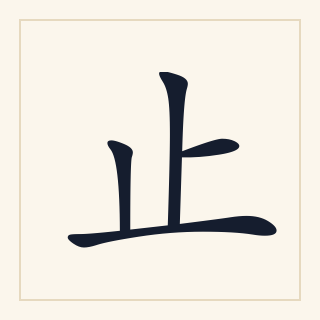
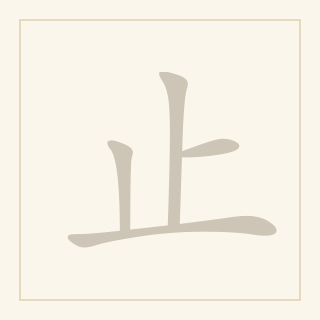
止
stop
At a glance · 止
Evolution of the glyph
Five stages, from a sketch of the real object to regular script — tap a stage, drag the timeline, or play the animation.
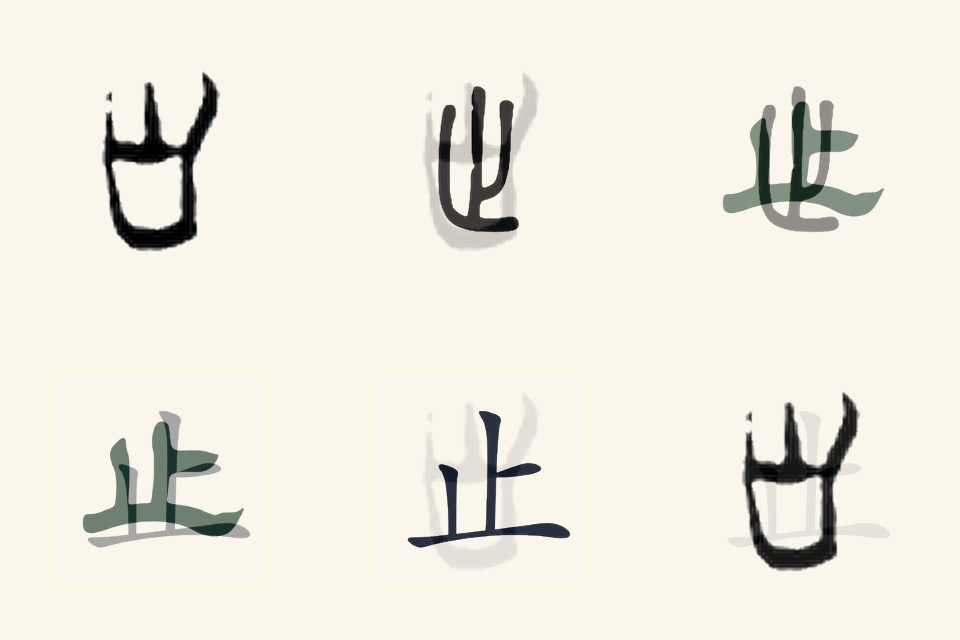
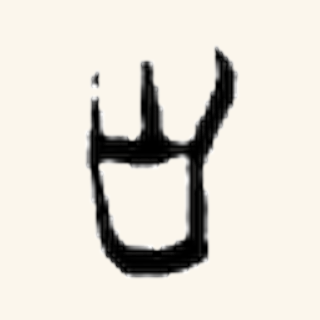
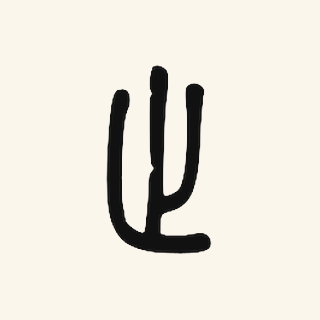
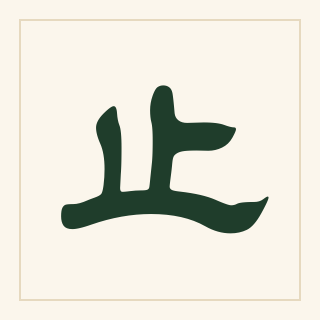
Object sketchBefore writing · drawing what was seenOracle boneShang dynasty · c. 1300–1046 BCESeal scriptQin dynasty · 221–206 BCEClerical scriptHan dynasty · 206 BCE–220 CERegular scriptWei–Jin to Tang · c. 3rd–9th century CE
「止」甲骨文象足趾之形,金文小篆稍变,后借为停止。
What the sketch shows
Origins & notes
「止」本为足趾象形,引申停止、举止、止息。
Structure
象形字,本象足趾,后引申为停止,又作行止、举止。
At a glance
Pinyinzhǐ
Radical止
Strokes4
UnicodeU+6B62
Character type象形
Theme动作
Six languages, one character
Each page offers hreflang versions; switching language keeps the glyphs and meanings aligned.
English
stop
stop, halt, desist; detain
Français
s'arrêter / tenue
S'arrêter, tenue. «容止若思» : la démarche et le port.
Español
detener / porte
Detener, porte. «容止若思»: el andar y el continente.
العربية
يتوقف / هيئة
يتوقف، هيئة. «容止若思»: المشية والوقار.
Русский
останавливать / осанка
Останавливать, осанка. «容止若思»: походка и стать.
Common words
- 停止tíng zhǐstop
- 举止jǔ zhǐbearing