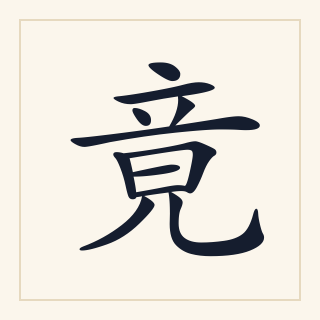
竟
finally
At a glance · 竟
Evolution of the glyph
Five stages, from a sketch of the real object to regular script — tap a stage, drag the timeline, or play the animation.
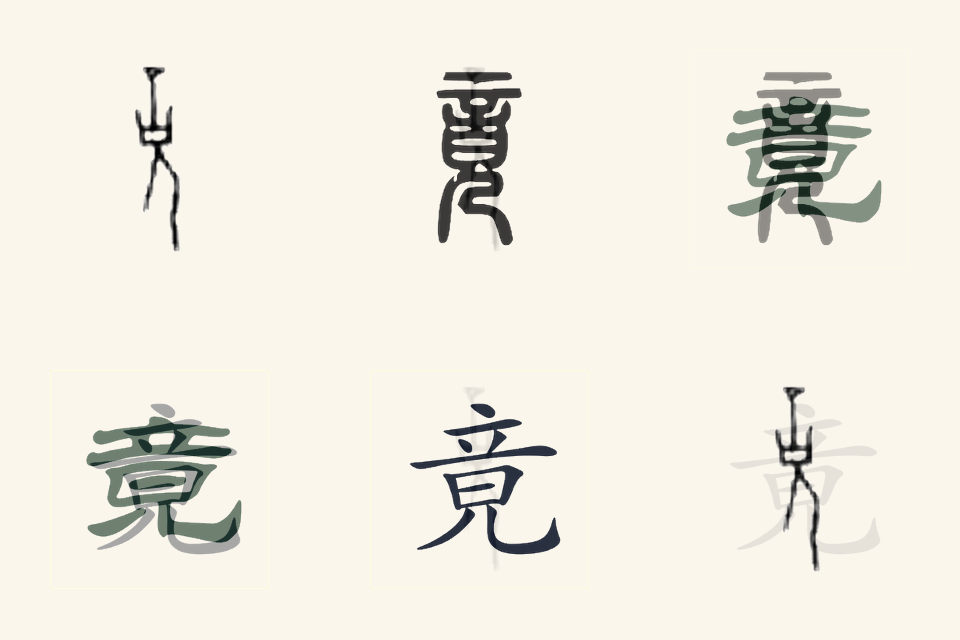
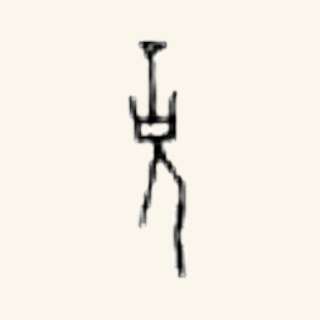
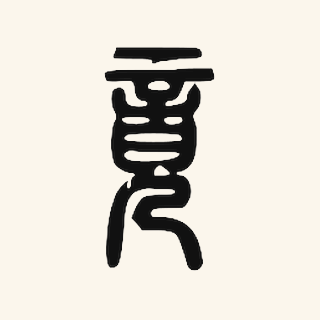
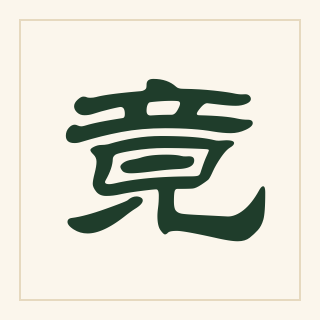
Object sketchBefore writing · drawing what was seenOracle boneShang dynasty · c. 1300–1046 BCESeal scriptQin dynasty · 221–206 BCEClerical scriptHan dynasty · 206 BCE–220 CERegular scriptWei–Jin to Tang · c. 3rd–9th century CE
「竟」从音从人,小篆从音从儿,会乐终之意。
What the sketch shows
Origins & notes
「竟」本义为乐曲终了,引申终、完毕、竟然。
Structure
从音、从人(儿),会意字,乐一曲终为竟,本为终结。
At a glance
Pinyinjìng
Radical立
Strokes11
UnicodeU+7ADF
Character type会意
Theme状态
Six languages, one character
Each page offers hreflang versions; switching language keeps the glyphs and meanings aligned.
English
finally
finally, after all, at last
Français
fin / enfin
Fin, finalement. «籍甚无竟» : sans terme.
Español
fin / finalmente
Fin, finalmente. «籍甚无竟»: sin término.
العربية
نهاية / أخيراً
نهاية، أخيراً. «籍甚无竟»: بلا غاية.
Русский
конец / в конце
Конец, в конце. «籍甚无竟»: без предела.
Common words
- 竟然jìng ránunexpectedly
- 究竟jiū jìngafter all