位
position, throne
At a glance · 位
Evolution of the glyph
Five stages, from a sketch of the real object to regular script — tap a stage, drag the timeline, or play the animation.
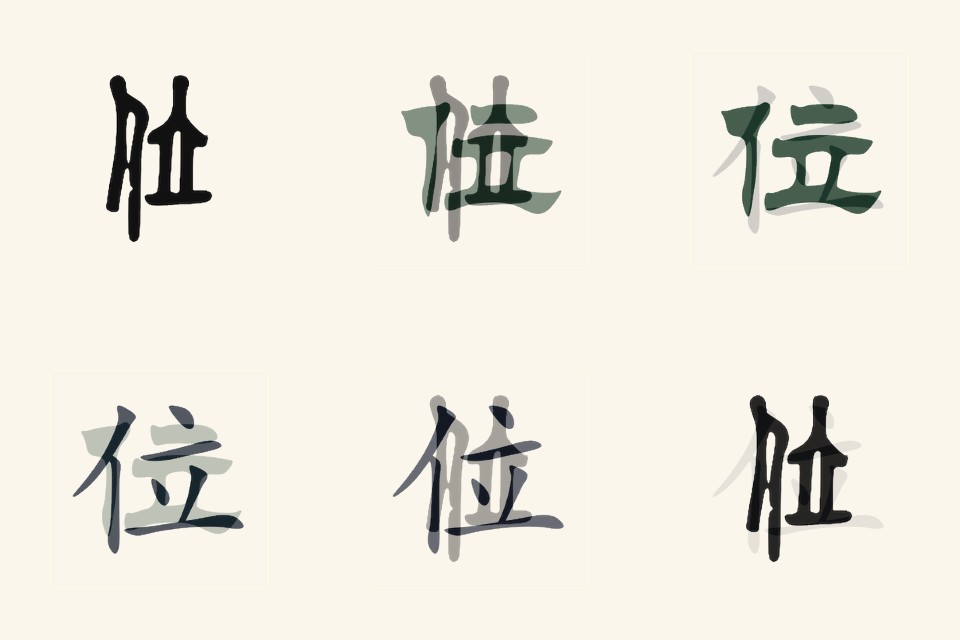
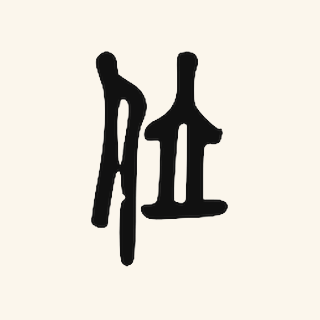
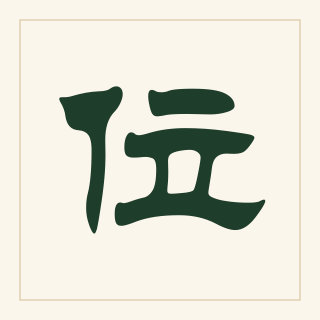
Object sketchBefore writing · drawing what was seenOracle boneShang dynasty · c. 1300–1046 BCESeal scriptQin dynasty · 221–206 BCEClerical scriptHan dynasty · 206 BCE–220 CERegular scriptWei–Jin to Tang · c. 3rd–9th century CE
⚠ Some ancient forms are not attested:oracle bone form。No excavated oracle bone / seal artifact is attested for this character yet; we leave it blank rather than fabricate.
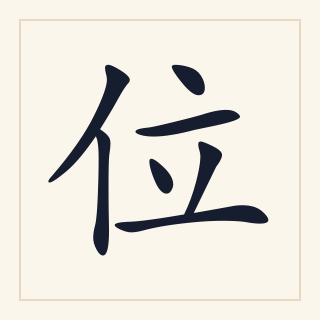
位字小篆从人从立,会意为人立其所,本义为位置、爵位。甲骨文未见。
What the sketch shows
Origins & notes
位本义为位置、方位,引申为地位、君位。
Structure
会意字,从人从立,表示人所站立之处所与身份。
At a glance
Pinyinwèi
Radical亻
Strokes7
UnicodeU+4F4D
Character type会意
Theme政事
Six languages, one character
Each page offers hreflang versions; switching language keeps the glyphs and meanings aligned.
English
position, throne
Wei is an associative character of a person standing, meaning position and rank.
Français
position, rang
Wei est un caractère associatif d'une personne debout, signifiant position et rang.
Español
posición, rango
Wei es un carácter asociativo de una persona de pie, significa posición y rango.
العربية
موضع، رتبة
وي حرف تركيبي لشخص واقف، يعني الموضع والرتبة.
Русский
положение, ранг
Вэй — ассоциативный знак стоящего человека, означает положение и ранг.
Common words
- 位置wèi zhìposition
- 地位dì wèistatus