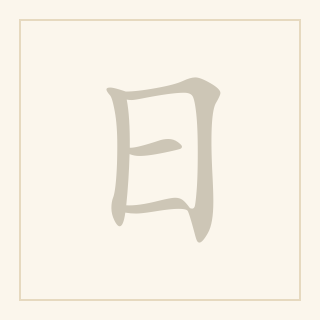
日
sun, day
At a glance · 日
Evolution of the glyph
Five stages, from a sketch of the real object to regular script — tap a stage, drag the timeline, or play the animation.
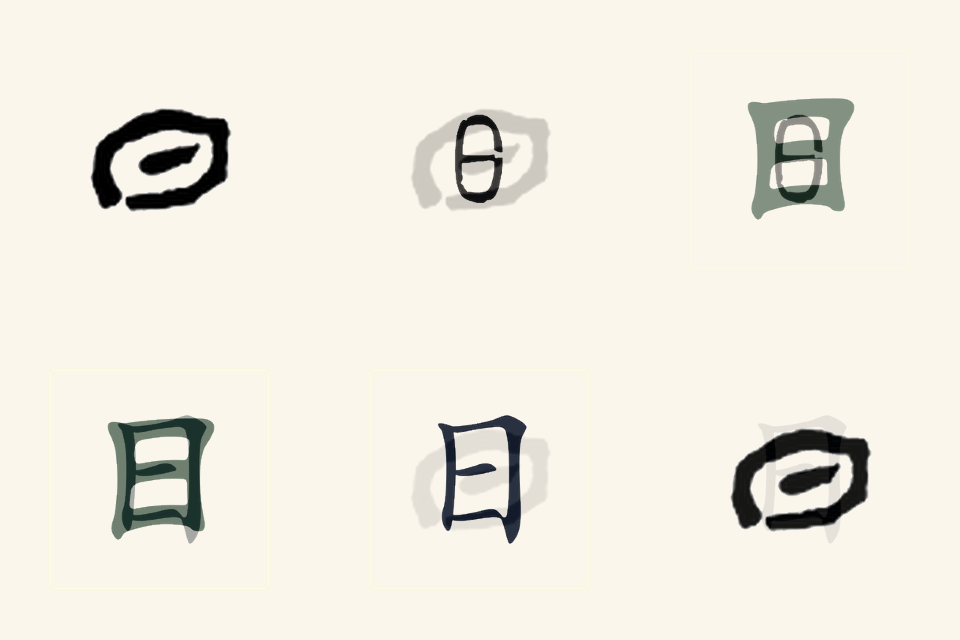
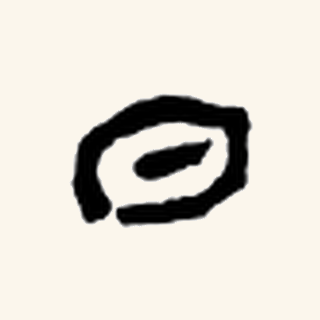
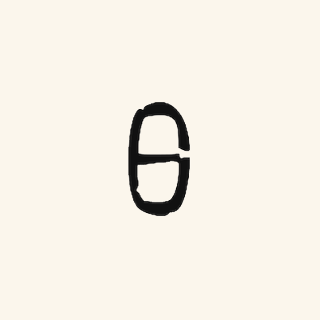

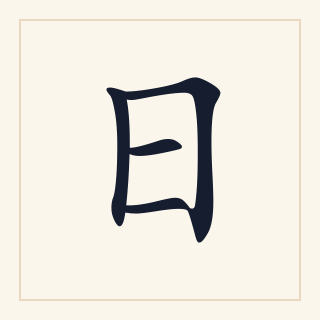
Object sketchBefore writing · drawing what was seenOracle boneShang dynasty · c. 1300–1046 BCESeal scriptQin dynasty · 221–206 BCEClerical scriptHan dynasty · 206 BCE–220 CERegular scriptWei–Jin to Tang · c. 3rd–9th century CE
日字甲骨文作圆形中有一点,象太阳之形;金文、小篆圆转方正,隶变后作扁方形『日』,楷体承之。
What the sketch shows
Shuowen Jiezi
人質切。實也。太陽之精不虧。从囗一。象形。凡日之屬皆从日。。古文。象形。。— 《说文解字》
Origins & notes
日本义为太阳,引申为白昼与一昼夜。
Structure
日为象形字,描摹太阳轮廓,中间一点或横表示太阳本体。
At a glance
Pinyinrì
Radical日
Strokes4
UnicodeU+65E5
Character type象形
Theme天文
Six languages, one character
Each page offers hreflang versions; switching language keeps the glyphs and meanings aligned.
English
sun, day
Ri is a pictograph of the sun and means both the sun and a day.
Français
soleil, jour
Ri est un pictogramme du soleil et signifie à la fois le soleil et un jour.
Español
sol, día
Ri es un pictograma del sol y significa tanto el sol como un día.
العربية
شمس، يوم
ري رسم تخطيطي للشمس ويعني الشمس ويوماً.
Русский
солнце, день
Жи — пиктограмма солнца, означает и солнце, и день.
Common words
- 太阳tài yángsun
- 日期rì qīdate
- 日子rì ziday