昃
sun declining west
At a glance · 昃
Evolution of the glyph
Five stages, from a sketch of the real object to regular script — tap a stage, drag the timeline, or play the animation.
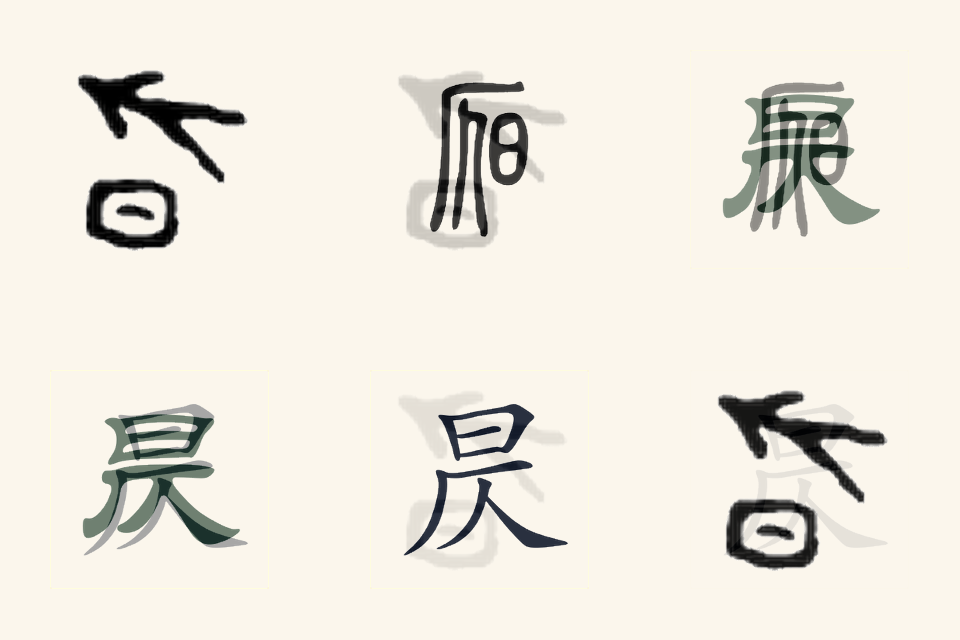
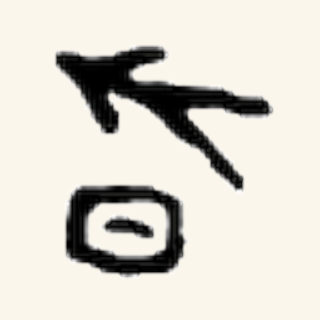


Object sketchBefore writing · drawing what was seenOracle boneShang dynasty · c. 1300–1046 BCESeal scriptQin dynasty · 221–206 BCEClerical scriptHan dynasty · 206 BCE–220 CERegular scriptWei–Jin to Tang · c. 3rd–9th century CE
昃字小篆从日仄声,为形声字;本义为太阳偏西。甲骨文未见。
What the sketch shows

Shuowen Jiezi
阻力切。日在西方時。側也。从日仄聲。《易》曰:「日𣅛之離。」。%臣鉉等曰:今俗別作𣅔,非是。。— 《说文解字》
Origins & notes
昃本义为太阳西斜、日暮。
Structure
形声字,左部『日』为意符表太阳,右部『仄』为声符。
At a glance
Pinyinzè
Radical日
Strokes8
UnicodeU+6603
Character type形声
Theme天文
Six languages, one character
Each page offers hreflang versions; switching language keeps the glyphs and meanings aligned.
English
sun declining west
Ze is a phonetic-semantic character meaning the sun sinking toward the west.
Français
soleil à l'ouest
Ze est un caractère phonético-sémantique signifiant le soleil déclinant vers l'ouest.
Español
sol hacia el oeste
Ze es un carácter fonosemántico que significa el sol declinando hacia el oeste.
العربية
الشمس تميل غرباً
تسه حرف صوتي دلالي يعني الشمس مائلة نحو الغرب.
Русский
солнце клонится
Цзэ — фоносемантический знак, означающий склоняющееся к западу солнце.
Common words
- 日昃rì zèsun past the meridian