荒
wasteland, desolate
At a glance · 荒
Evolution of the glyph
Five stages, from a sketch of the real object to regular script — tap a stage, drag the timeline, or play the animation.
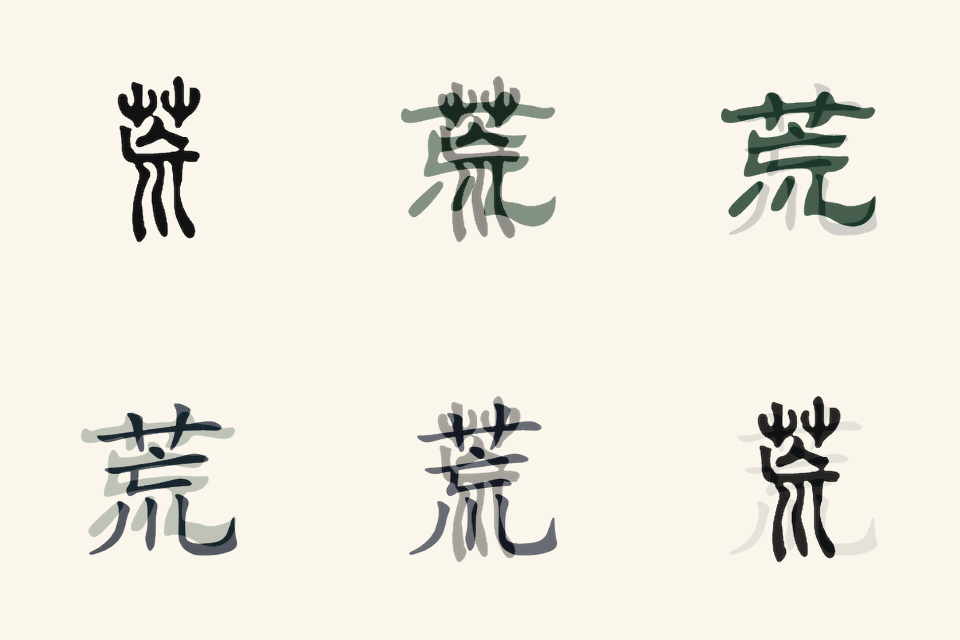
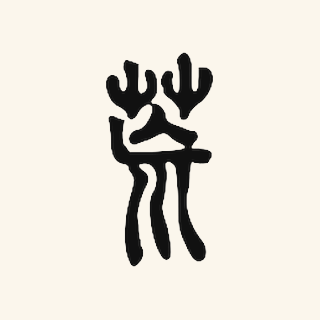
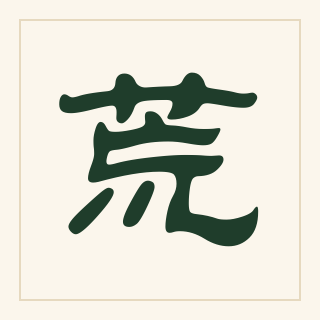
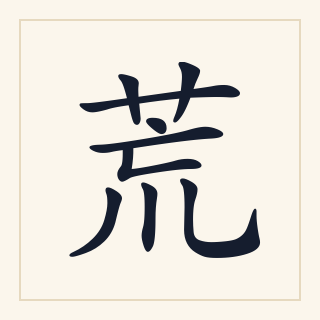
Object sketchBefore writing · drawing what was seenOracle boneShang dynasty · c. 1300–1046 BCESeal scriptQin dynasty · 221–206 BCEClerical scriptHan dynasty · 206 BCE–220 CERegular scriptWei–Jin to Tang · c. 3rd–9th century CE
⚠ Some ancient forms are not attested:oracle bone form。No excavated oracle bone / seal artifact is attested for this character yet; we leave it blank rather than fabricate.
荒字小篆从艸巟声,为形声字;本义为荒芜、未开垦之地。甲骨文未见。
What the sketch shows
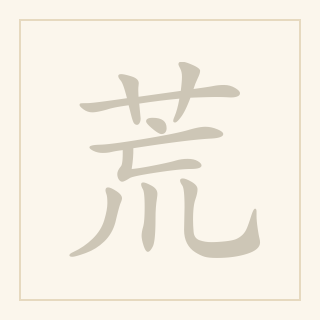
Shuowen Jiezi
呼光切。蕪也。从艸㠩聲。一曰艸淹地也。。— 《说文解字》
Origins & notes
荒本义为田地荒芜,引申为荒远、荒凉。
Structure
形声字,上部『艸』为意符表草木,下部『巟』为声符。
At a glance
Pinyinhuāng
Radical艹
Strokes10
UnicodeU+8352
Character type形声
Theme地理
Six languages, one character
Each page offers hreflang versions; switching language keeps the glyphs and meanings aligned.
English
wasteland, desolate
Huang means wasteland and desolation, originally land overgrown with weeds.
Français
terre inculte
Huang signifie terre inculte et désolation, à l'origine une terre envahie par les mauvaises herbes.
Español
baldío, yermo
Huang significa tierra yerma y desolación, originalmente tierra invadida por malas hierbas.
العربية
أرض قفر
هوانغ يعني الأرض القفر والمهجورة، وهي في الأصل أرض مغطاة بالأعشاب الضارة.
Русский
пустошь, дикий
Хуан означает пустошь и запустение, изначально — заросшая сорняками земля.
Common words
- 荒凉huāng liángdesolate
- 荒地huāng dìwasteland