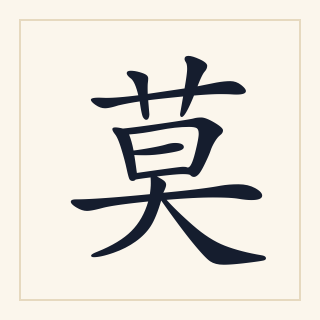
莫
none, do not
At a glance · 莫
Evolution of the glyph
Five stages, from a sketch of the real object to regular script — tap a stage, drag the timeline, or play the animation.
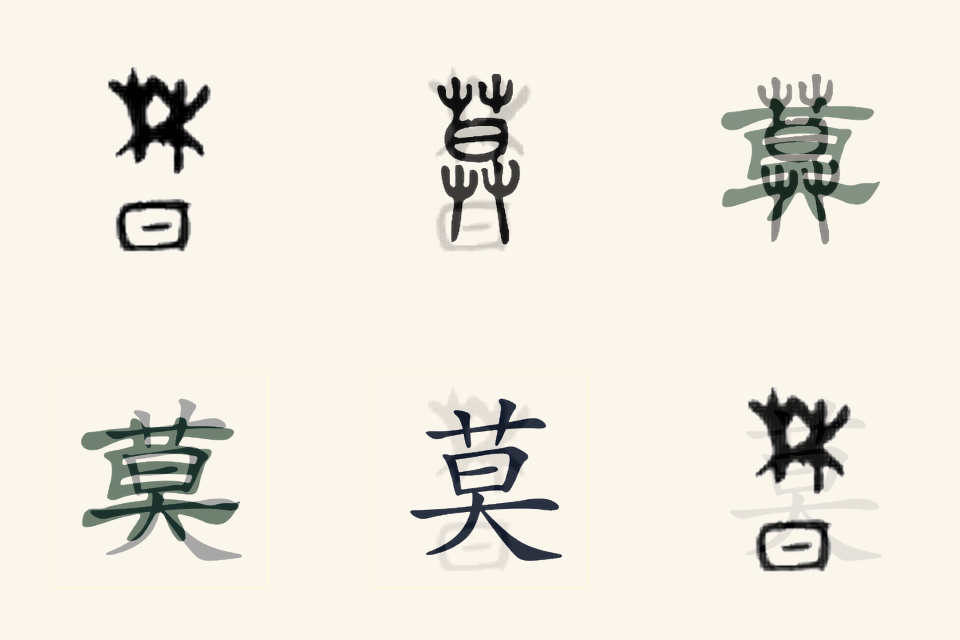
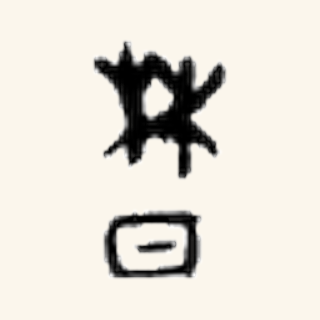
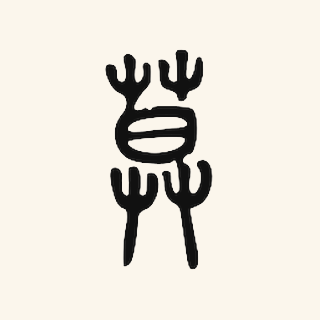
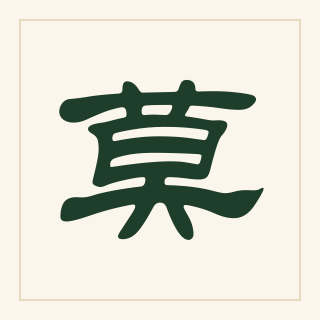
Object sketchBefore writing · drawing what was seenOracle boneShang dynasty · c. 1300–1046 BCESeal scriptQin dynasty · 221–206 BCEClerical scriptHan dynasty · 206 BCE–220 CERegular scriptWei–Jin to Tang · c. 3rd–9th century CE
莫字甲骨文从艸从日,日没草中,会意为日暮、无;后借为否定词『莫(不)』。金文、小篆承之。
What the sketch shows
Origins & notes
莫本义为日暮(暮),假借为否定词『没有、不要』。
Structure
莫为会意字,日在草中,表示天晚;否定义为假借。
At a glance
Pinyinmò
Radical艹
Strokes11
UnicodeU+83AB
Character type会意
Theme虚词
Six languages, one character
Each page offers hreflang versions; switching language keeps the glyphs and meanings aligned.
English
none, do not
Mo was originally an associative character of the sun in grass meaning dusk and was borrowed as a negative none or do not.
Français
aucun, ne pas
Mo était à l'origine un caractère associatif du soleil dans l'herbe signifiant le crépuscule et a été emprunté comme négation aucun ou ne pas.
Español
ninguno, no
Mo era originalmente un carácter asociativo del sol en la hierba que significaba el crepúsculo y se tomó prestado como negación ninguno o no.
العربية
لا، لا أحد
مو كان في الأصل حرفاً تركيبياً للشمس في العشب يعني الغسق ثم استُعير نفياً (لا، لا أحد).
Русский
никто, не
Мо изначально было ассоциативным знаком солнца в траве со значением сумерки и было заимствовано как отрицание «никто, не».
Common words
- 莫mòdo not
- 莫非mò fēicould it be